24 Critical Steps to Leave an Abusive Relationship Safely
If you’re in danger, move to a safe place, call emergency services or a hotline, and tell a trusted neighbor or friend; keep your phone charged and essential documents ready. Recognize controlling behaviors, document incidents, and rate your risk. Decide whether to leave now, plan, or delay while building funds and a secret grab‑bag. Secure finances, change passwords, protect online accounts, and look into protective orders and counseling. Continue for a full 24‑step checklist to guide each step safely.
Immediate Steps If You Are in Danger Now
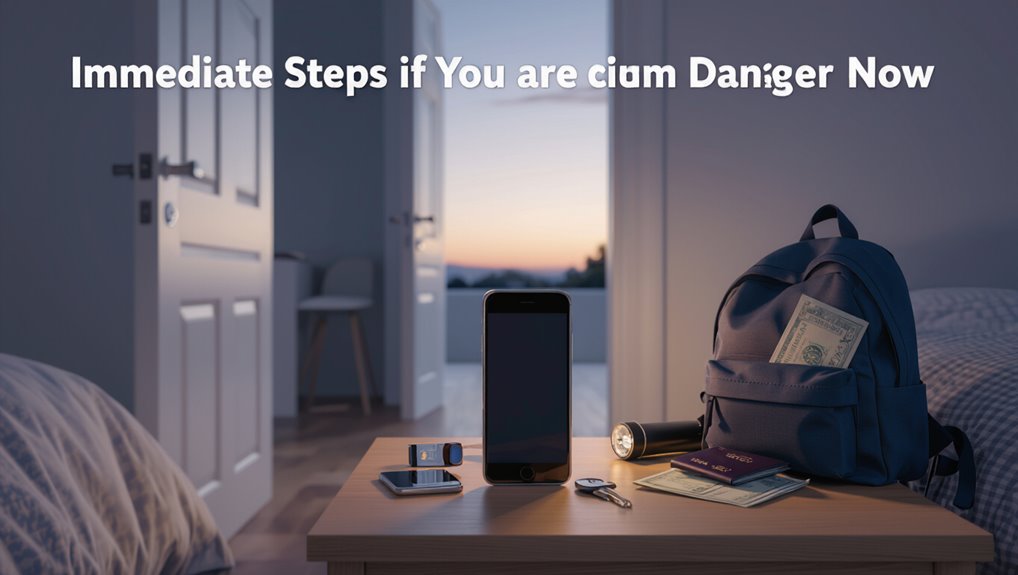
If you’re in immediate danger, get to a safe place now and call emergency services or your local domestic violence hotline—don’t wait to make a perfect plan.
Move where you can lock a door, keep your phone charged and accessible, and take any essential documents and medication.
Tell a trusted neighbor or friend your situation and establish a simple escape route you can use immediately.
Recognize Abuse Signs and Assess Your Immediate Risk
Notice patterns like controlling your money, isolating you from friends, or constantly monitoring your whereabouts—those are signs of coercive behavior.
Take a quick safety check: can you leave safely right now, is there a private place to call for help, and are children or pets at risk?
If any answer raises concern, prioritize immediate safety and contact local emergency services or a domestic violence hotline.
Signs Of Controlling Behavior
When someone tries to control what you do, who you see, or how you feel, those patterns are warning signs of emotional and often escalating abuse; recognizing them helps you assess your immediate safety and plan next steps. You might notice isolation, constant criticism, monitoring, financial control, or threats. Trust your instincts and document incidents.
| Isolation | Monitoring | Threats |
|---|---|---|
| Criticism | Financial control | Gaslighting |
Immediate Safety Assessment
Having a clear sense of danger helps you decide what to do next.
Quickly note recent escalation: threats, physical harm, stalking, weapon access, or intense jealousy.
Rate your immediate risk—low, moderate, or high—and plan accordingly.
If risk is high, leave now if you can, call emergency services, or contact a domestic violence hotline for urgent shelter, safety planning, and legal options.
Set Your Urgent Safety Goals (Leave Now, Plan, or Delay)
First, assess your immediate danger by noting recent threats, injuries, or escalation in behavior.
Then decide how urgent your situation is—whether you need to leave now, prepare a planned exit, or delay while you build resources.
Finally, create a short-term plan with clear steps (safe places, packed essentials, and emergency contacts) you can use if things escalate.
Assess Immediate Danger
How urgent is your danger right now?
Quickly note signs: physical injuries, threats, stalking, access to weapons, or recent escalation. Trust your instincts.
Secure immediate help if you feel unsafe—call emergency services, a trusted person, or a crisis line.
If danger isn’t immediate, still document incidents, charge your phone, keep essentials accessible, and identify a safe exit route.
Decide Urgency Level
Now that you’ve assessed immediate danger, decide how quickly you need to act and set a clear safety goal: leave right away, make a plan to leave soon, or delay leaving while you build resources.
Choose based on risk level, support availability, financial readiness, and children’s needs. Be honest about what you can safely manage, set a deadline, and revisit your choice as circumstances change.
Create Short-Term Plan
Once you’ve decided how urgent your situation is, set one clear, short-term safety goal—leave immediately, prepare to leave within a set timeframe, or stay and build resources—and write down the specific steps you’ll take to meet that goal.
List essentials: escape route, safe contact, finances, documents, and shelter.
Assign deadlines, pack a go-bag, and check in with a trusted person frequently.
Secure Your Phone: Check for Monitoring and Protect Data
If your phone’s been shared, tracked, or accessed without your consent, check it for spyware and secure your data before you leave; your device can be a tracker of your location, calls, messages, and online activity.
- Scan for unknown apps, change passwords, enable two-factor authentication.
- Back up essential files to a secure account and remove sensitive local data.
- Consider a factory reset, replace the SIM, and use a new, private device if possible.
Create a Discreet Emergency Exit Plan
Have a simple emergency contact code you can use to alert a trusted person without raising suspicion.
Keep copies of important documents hidden or stored with someone you trust so you can grab them quickly.
Plan a quiet exit time when the abuser is away or distracted and practice the route in your head.
Emergency Contact Code
When you’re ready to signal for help without alerting your partner, an emergency contact code is a simple, discreet way to let someone know you need to leave immediately;
- Pick a clear phrase or emoji only your contact knows and rehearse its use.
- Agree on a response that confirms help is coming and a time to call back.
- Keep your phone charged and accessible but hidden.
Hidden Important Documents
1 smart step before you leave is to gather and hide copies of the documents you’ll need to rebuild your life—IDs, birth certificates, passports, social security cards, financial records, lease agreements, restraining orders, and any custody papers.
Store originals and encrypted digital scans in separate secure locations: a trusted friend’s home, a safety deposit box, or a password-protected cloud account you can access discreetly.
Quiet Exit Timing
Because timing can make the difference between a safe exit and added danger, plan a discreet emergency exit that fits your routine and the people you can trust.
Choose moments when the abuser is distracted or absent. Pack essentials in advance and stash them safely. Coordinate quietly with trusted contacts.
- Identify safe windows.
- Prepare a grab bag.
- Alert one reliable person.
Build a Secret Safety Kit and Hide Locations
A small, well-hidden safety kit can make leaving an abusive relationship safer and less chaotic, so plan what you’ll need and where you’ll keep it.
Pack essentials: keys, cash, medications, ID copies, chargers, a spare phone, and emergency contact info.
Stash kits in multiple discreet spots—trusted friend’s home, vehicle, or a locked bag—rotate locations and check supplies regularly.
Document Abuse Safely: What Evidence Helps Most
When you’re planning to leave, documenting abuse carefully can strengthen your safety plan and any legal steps you take.
- Keep dated photos of injuries and property damage, stored securely offsite or in encrypted cloud accounts.
- Save threatening texts, emails, and voicemails; screenshot metadata and back them up privately.
- Log incidents with dates, times, witnesses, and brief descriptions; consider medical records and police reports when available.
Locate Shelters, Hotlines, and Emergency Resources
You should have key numbers and nearby options ready before you leave.
Keep national hotlines saved on your phone and a list of local shelters and services in a hidden place.
If you need help right away, call a hotline or go to the nearest shelter for immediate safety.
National Hotlines And Numbers
Because help should be immediate and accessible, national hotlines and shelter networks give you direct, confidential connections to safety, legal aid, and local resources any time you need them.
- Call a 24/7 national hotline for crisis support, safety planning, and referrals.
- Use text or chat services if calling isn’t safe or possible.
- Save emergency numbers and hotline contacts where only you can access them.
Local Shelters And Services
Local shelters and community services can offer immediate safety, short-term housing, and connections to legal, medical, and counseling resources—find them now so you’ve got clear options if you need to leave quickly.
Search local directories, call hotlines for referrals, and note addresses, hours, and intake rules.
Pack an emergency bag, keep copies of ID, and tell a trusted contact your plan.
Identify Trusted Allies and Safe Contacts
Anyone can feel isolated when planning to leave an abusive relationship, so start by listing people who make you feel safe, believed, and calm—friends, family, neighbors, coworkers, clergy, or support-group members—and note how each person can help (a place to stay, childcare, emotional support, transportation, or a safe phone).
Pick trusted contacts, verify availability, and set discreet communication methods.
- Identify roles and boundaries.
- Share limited details safely.
- Keep an updated emergency list.
Arrange Childcare and Pet Safety Plans
Once you’ve lined up trusted people and safe contacts, think about where your children and pets will go when you leave and who’ll look after them on short notice.
Arrange temporary placements with relatives or friends, share custody details and emergency contacts, pack comfort items and medical records, and confirm pickup plans.
Keep locations confidential and rehearse quick departures so everyone stays calm and safe.
Plan Finances: Access Money and Protect Assets
If you can, quietly secure access to money and important documents before leaving so you won’t be cut off from resources you need.
You’ll need practical steps to protect funds and assets while minimizing risk.
- Open a separate bank account in your name, online if needed.
- Save emergency cash in a safe, discreet place.
- Change passwords and set alerts on financial accounts.
Collect and Protect Essential Documents Safely
Besides securing money, you should quietly gather and safeguard key documents that prove identity, residency, and legal status—these papers make many safety steps possible and speed up emergency help. Keep originals or encrypted digital copies with a trusted person or hidden cloud folder. Pack copies when leaving and note locations.
| Document | Where to hide | Who to trust |
|---|---|---|
| ID | Wallet, safe | Friend |
| Birth cert. | Locked box | Relative |
| Passport | Email copy | Lawyer |
| Lease | Safe deposit | Advocate |
| Medical | Encrypted cloud | Clinic |
Learn Legal Protections and Emergency Orders
You should learn the types of protective orders available in your area—like emergency, temporary, and permanent orders—and what each can do for your safety.
Find out the local filing process and deadlines so you can act quickly when needed.
Reach out to court advocates or domestic violence organizations who’ll help you file papers and accompany you through hearings.
Types Of Protective Orders
When you’re facing danger, knowing the types of protective orders and how they work can make getting immediate legal protection much easier. Courts offer several kinds tailored to different situations—emergency (ex parte) orders, temporary orders, and full protective orders—each with specific criteria, duration, and steps to obtain them.
- Emergency orders grant immediate short-term safety.
- Temporary orders extend protection until a hearing.
- Full orders provide longer-term remedies after court review.
How To File
Knowing the types of protective orders helps you pick the right next step, and filing is the action that turns those options into real safety.
Go to your courthouse or police station, complete required forms, and request emergency or temporary orders if danger is immediate.
Bring ID, evidence, and contact info. Follow court instructions, meet deadlines, and keep copies of all orders for enforcement.
Working With Advocates
Although the legal system can feel overwhelming, advocates can guide you through protective orders, emergency filings, and safety planning so you don’t have to navigate it alone.
They’ll explain options, accompany you to court, and link you to resources. Work with someone who listens, protects your choices, and acts quickly.
- Explain options and paperwork
- Attend hearings with you
- Connect to emergency services
How to File Police Reports and Document Interactions
Filing a police report and documenting every interaction gives you a clear legal record and can protect you in court, in custody disputes, or when applying for protective orders.
When you report incidents, get the officer’s name and report number, request a copy, and note dates, times, witnesses, and injuries.
Save messages, photos, and medical records; store backups off-site or with a trusted person.
Get Restraining Orders: How They Work and Enforcement
After you document incidents and police interactions, you can seek a restraining order to legally limit the abuser’s contact and protect yourself and your children.
- File with court, bring evidence, request temporary order.
- Attend hearing; judge decides on long-term protections and conditions.
- Serve papers through law enforcement; report violations immediately so police can enforce consequences and update safety plans.
Choose the Right Time and Route to Leave Safely
Think about when your partner is least likely to be home or distracted so you can leave without drawing attention.
Map a safe route out of the house and identify alternatives in case plans change.
Let a trusted friend, family member, or shelter know your plan and timing so someone’s ready to help.
Pick a Safe Time
When you’re planning to leave, choose a moment when your partner is out, distracted, or calm so you can get away without confrontation; map a clear, quick route and have backup options in case plans change.
- Pick a time when routines lower risk and others won’t notice.
- Use daylight or busy hours for safety and witnesses.
- Avoid predictable patterns; vary timing to reduce interception.
Plan Your Escape Route
Because your safety depends on speed and discretion, plan a primary escape route and at least one backup that gets you quickly to trusted people or a safe location.
Practice it mentally so you can act without hesitation if the moment arrives. Know exits, avoid predictable patterns, keep doors and windows unobstructed, stash essentials discreetly, and rehearse timing to minimize exposure.
Coordinate With Supportive Contacts
After mapping exits and rehearsing routes, connect with a small circle of trusted contacts who can help you leave safely and quickly.
- Tell one person your plan, timing, and safe word so they can act if needed.
- Arrange a reliable ride and backup driver with clear pickup points.
- Share emergency funds, phone chargers, and a meeting location; confirm everyone knows when to check in.
Get a Safety Escort or Professional Support for Departure
If you feel unsafe leaving, get a safety escort or professional support to reduce risk and coordinate logistics.
Trained advocates, security personnel, or law enforcement can help plan timing, accompany you during the exit, and handle immediate safety needs so you can focus on getting out.
Tell your support team your exit plan, designate roles, confirm transportation, and arrange a safe place to go immediately afterward.
What to Say : and What Not to Say : When You Leave
A few clear, simple phrases can keep you safe and in control when you leave: tell them you’re leaving now, that you won’t be coming back, and that you’ll contact authorities if they follow you.
- Say only where you’re going and that help’s on the way.
- Don’t argue, negotiate, or apologize.
- Avoid sharing new contact details or future plans; keep responses short.
Change Locks, Secure Windows, and Improve Home Security
When you move out, change the locks immediately and reinforce entry points so your ex can’t follow or get back in; swap or rekey deadbolts, tighten strike plates, and install a peephole or smart lock you can control remotely.
Secure windows with locks, security film, or bars where legal, add motion lights and a doorbell camera, and ask neighbors to report suspicious activity.
Update Contact Info and Block Abusive Communication
Because abusers often try to regain access through phone numbers, email, or social accounts, update your contact information and block any channels they could use to reach you.
Because abusers may try to reconnect, update contact details and block any phone, email, or social channels they could use.
- Change phone numbers and set strong voicemail passwords.
- Update critical accounts with new, unique emails.
- Block and report their numbers, emails, and caller IDs on devices and carriers.
Protect Your Online Presence and Social Media
If you’re preparing to leave, protect your online presence by tightening privacy settings, removing location tags, and limiting who can see past and future posts. Assume an abuser will look for any digital traces they can use to find or harass you.
Change passwords, enable two-factor authentication, review friend lists, delete sensitive photos, and log out devices. Consider a secondary, private account for trusted contacts.
Find Crisis Counseling and Trauma Recovery Resources
As you leave, connect with crisis counselors and trauma recovery services right away so you don’t have to navigate healing alone; trained professionals can help stabilize immediate safety needs, validate your experience, and guide next steps for emotional and practical recovery.
Connect with crisis counselors and trauma recovery services immediately—trained professionals can stabilize safety, validate you, and guide next steps.
- Seek 24/7 hotlines or local crisis centers for immediate support.
- Find trauma-informed therapists who offer safety planning and coping skills.
- Join survivor groups or peer-support programs for ongoing validation and practical resources.
Rebuild Finances and Credit While Staying Safe
When you’re ready, take small, strategic steps to rebuild your finances and protect your credit while keeping your safety first.
Open secure bank and credit accounts in your name, document income and expenses, set up automatic bill payments, and check credit reports for errors.
Use emergency savings, seek free financial counseling, and avoid shared accounts that could expose your location or access.
Make a Long‑Term Safety Plan and Reconnect With Supports
Because safety needs change over time, build a long‑term plan that covers housing, finances, legal steps, and emotional support, and update it regularly as your situation evolves.
Reconnect with trusted people and services, set clear boundaries, and document options so you can act quickly.
- Identify trusted contacts and emergency resources.
- Secure finances, documents, and housing backups.
- Schedule regular check‑ins and legal reviews.
Frequently Asked Questions
Can I Bring My Pet Into a Shelter if I Have Nowhere Else to Go?
Sometimes you can, but many shelters don’t allow pets. Call local domestic violence shelters, animal-friendly shelters, or programs that foster pets temporarily. Bring vaccination records and carrier supplies; ask friends, boarding, or rescue groups for short-term help.
How Do I Safely Leave if I or My Partner Use Substances Together?
If you or your partner use substances together, plan discreetly, secure documents, arrange safe transport, contact domestic violence or substance-support services, avoid confrontations while impaired, bring a trusted sober companion, and have emergency numbers saved and accessible.
Will Leaving Increase My Risk of Retaliation Later?
Yes, leaving can increase risk of retaliation, so you should plan carefully, document abuse, secure safe housing and support, alert trusted people or shelters, consider legal protections, and avoid predictable routines while you enact your exit.
Can I Get Help if I’M Undocumented or Lack Legal Immigration Status?
Yes — you can get help even if you’re undocumented. You’ll find shelters, hotlines, and legal clinics that don’t require immigration status, and some services can connect you with specialized immigration relief and safety planning resources.
How Do I Protect My Mental Health While Still Living With My Abuser?
Focus on small routines: practice grounding, set boundaries where possible, schedule private moments, reach out to trusted contacts, use encrypted apps, keep a safety plan, and seek support from helplines or counselors when you can.
Conclusion
You’ve taken brave steps toward safety—recognizing abuse, checking immediate risks, protecting devices, and making exit plans. Keep setting urgent goals that match your situation: leave now if you’re in danger, plan a covert exit if you can’t, or delay while you strengthen supports. Reach out to crisis counselors, rebuild finances discreetly, and secure online accounts. Stay connected to trusted people and revisit your long‑term safety plan as things change—you deserve safety and healing.
