25 Hard Truths About Porn Addiction and Its Impact on Relationships
You’re facing a compulsive pattern that rewires reward pathways, makes cravings feel urgent, and slowly erodes trust and real intimacy. It sneaks into routines, breeds secrecy and shame, and fuels relapse cycles that feel isolating. Expect performance anxiety, avoidance, and mismatched expectations with partners, plus hidden costs in time, money, and family life. Recovery’s gradual: set boundaries, use tech supports, get therapy, and rebuild closeness step by step — keep going and you’ll uncover practical steps to repair things.
What “Porn Addiction” Means and Who It Affects
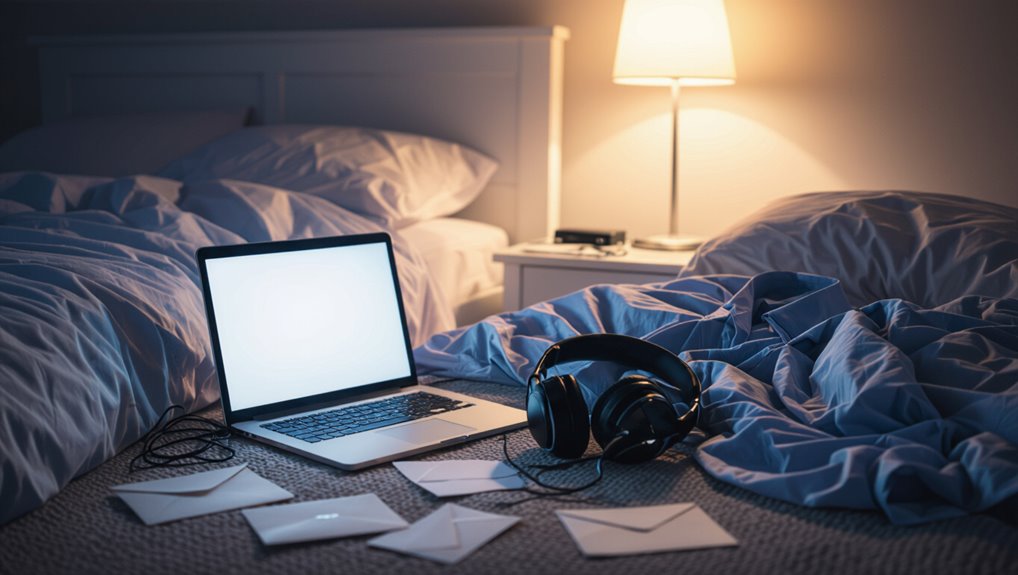
Although experts debate the term, “porn addiction” usually describes a pattern where viewing porn becomes compulsive, interferes with daily life, and continues despite negative consequences.
You might feel compelled to seek explicit material, lose interest in real intimacy, or struggle with work, school, or family duties.
It affects people across ages, genders, and backgrounds, especially when coping with stress or loneliness.
How Porn Use Can Hide in Everyday Routines
When you think of porn use, you might picture late-night sessions or secret visits to explicit sites, but it often slips into routine activities—commuting, lunch breaks, or scrolling between chores—so it becomes almost invisible.
You might justify quick checks as harmless habit, but they erode intimacy, steal attention, and normalize secrecy.
Notice patterns, set limits, and replace urges with mindful alternatives to protect relationships.
Porn Addiction and the Brain’s Reward Wiring
If you repeatedly turn to porn for quick relief or stimulation, your brain’s reward circuitry starts to prioritize those hits over other sources of pleasure.
You’ll notice dopamine responses become sharper for porn cues, weakening interest in real-life intimacy and hobbies.
Over time, your neural pathways strengthen around viewing patterns, making it harder to shift attention and find satisfaction outside that loop.
Why Cravings Feel Like Urgent Physical Needs
Your brain’s reward circuits can get hijacked so cravings feel like commands rather than suggestions.
Dopamine spikes create a sense of urgency that pushes you to seek relief now.
When you stop, withdrawal produces real physical sensations—restlessness, tension, and aches—that make those cravings hard to ignore.
Brain Hijack Mechanisms
Because your brain rewires itself around intense sexual cues, cravings can feel as urgent and bodily as hunger or pain.
Your neural networks prioritize those cues, hijacking attention, memory, and decision pathways. You’ll experience intrusive thoughts, heightened arousal, and impulsive actions that override long-term goals.
Stress, triggers, and routine contexts strengthen these circuits, making resistance mentally exhausting until you actively retrain those patterns.
Dopamine And Urgency
When dopamine spikes in response to sexual cues, it doesn’t just reward you—it turns the desire into an urgent signal that demands action. You feel compelled, focused, and impatient; your brain prioritizes immediate relief over long-term goals. Recognize the cue–craving loop, pause, and use coping tactics to interrupt impulses before they hijack behavior.
| Cue | Response |
|---|---|
| Image | Want |
| Notification | Need |
| Memory | Crave |
| Stress | Seek |
| Boredom | Act |
Withdrawal Feels Physical
Although it’s invisible, withdrawal hits like a physical ache: your body and nervous system react to the absence of the intense stimulation they’d come to expect, so cravings register as urgent, bodily needs rather than mere thoughts.
You’ll feel restlessness, tension, even nausea or heart-racing urges that mimic hunger or pain. Recognize these sensations, breathe, and use grounding strategies to ride them out.
Shame, Secrecy, and How They Fuel Relapse
You carry hidden shame after a slip, and that shame tightens into a secret you’re desperate to hide.
Keeping your struggles to yourself isolates you and makes relapse feel like the only relief.
Breaking secrecy and naming the shame are the first steps to stopping the cycle.
Hidden Shame Cycle
Because shame makes you feel exposed even when no one else knows, it drives you to hide and lie about your behavior—and that secrecy deepens the shame, creating a cycle that quietly undermines recovery.
You’ll feel isolated, blame yourself, and avoid support.
Breaking this pattern means naming shame, sharing honestly with a trusted person, and replacing secrecy with accountability to rebuild trust and resilience.
Secrecy Fuels Relapse
When shame keeps you hiding, secrecy becomes the fuel that powers relapse: you’ll rationalize small slips, hide patterns, and lose the feedback that lets you course-correct, making a single moment of weakness far likelier to turn into a return to old habits.
You’ll isolate, avoid accountability, and amplify guilt, which narrows choices. Breaking secrecy—by confessing to a trusted person and setting boundaries—restores perspective and protection.
Signs Partners Notice Before a Diagnosis
Trust your instincts: partners often spot changes long before a formal diagnosis arrives.
You’ll notice small shifts — withdrawn conversations, secretive device use, mood swings, or intimacy avoidance.
You might catch inconsistencies in stories or sudden defensiveness.
These signs feel unsettling; they’re cues to gently address behavior, set boundaries, and seek professional guidance before patterns escalate or cause deeper emotional harm.
How Trust Breaks Long Before Conversations Start
If you’ve started noticing little withdrawals—closed-off answers, canceled plans, a flinch when you reach for affection—they’re not just awkward moments; they’re the first fractures of trust.
You’ll pick up on secretiveness, small lies, and defensive shifts that signal avoidance. Those small ruptures accumulate, making honest conversations harder.
Address patterns early, or you’ll inherit suspicion instead of clarity.
Emotional Distance That Often Follows Porn Use
You start to pull away without even noticing, and the gap between you and your partner widens.
That growing emotional distance often shows up as numbness or a habit of avoiding real intimacy.
If you want to rebuild connection, you’ll need to face those avoidance patterns head-on.
Growing Emotional Distance
When porn becomes a private escape, it often creates a slow drift between partners: you’re physically present but emotionally checked out, sharing less about your day, your fears, and your needs. You may withdraw, avoid meaningful conversations, and feel misunderstood. Rebuilding trust requires honest sharing, boundaries, and consistent presence.
| Sign | Impact | Action |
|---|---|---|
| Silence | Isolation | Talk |
| Secrets | Mistrust | Disclose |
| Avoidance | Distance | Reconnect |
| Distraction | Neglect | Prioritize |
| Shame | Withdrawal | Seek help |
Intimacy Avoidance Patterns
Those quiet gaps and withheld details don’t just shrink conversation—they set the stage for avoidance patterns that protect you from vulnerability.
You dodge deep talks, sidestep touch, and rationalize distance as self-preservation.
Over time, emotional walls harden, leaving you isolated and your partner confused.
Recognize these habits, own them, and choose small, consistent steps toward openness so intimacy can slowly rebuild.
Why Intimacy Can Look Like Low Desire
Because emotional closeness often asks for vulnerability rather than spectacle, it can easily be mistaken for low sexual desire; partners who prioritize safety, conversation, and caretaking may seem less interested in sex even while they’re deeply engaged. You might misread steady affection as disinterest; learn cues, ask gently, and honor different rhythms.
| Cue | Meaning | Action |
|---|---|---|
| Quiet time | Recharging | Check-in |
| Touch | Bonding | Respond |
| Conversation | Intimacy | Engage |
Performance Anxiety as a Common Side Effect
When you rely on porn, you can start feeling intense pressure to perform the same way in real encounters, which kills spontaneity and raises stress.
That pressure often leads you to avoid closeness or sex altogether to escape potential failure.
Recognizing these patterns is the first step toward changing them.
Performance Pressure Effects
If you’ve relied on porn to regulate arousal, you may face mounting performance anxiety in real-life sexual situations.
You’ll worry about meeting expectations, comparing partners to scripted scenes, and feeling pressure to perform perfectly.
That stress can cause erectile or orgasm difficulties, avoidance of sex, and a cycle where anxiety reduces pleasure.
Addressing expectations and grounding sexual experiences helps break the loop.
Intimacy Avoidance Patterns
Performance anxiety doesn’t just affect moments in the bedroom — it often pushes people away from closeness altogether.
You might dodge dates, cancel touch, or numb emotions to avoid potential failure. That avoidance widens distance, fuels resentment, and makes recovery harder.
If you recognize these patterns, admit them, seek therapy, and practice small, safe moments of connection to rebuild trust and sexual confidence.
How Porn Reshapes Sexual Expectations and Preferences
Although you mightn’t notice it at first, repeated exposure to porn subtly rewires what you expect from sex—shaping preferences, scripts, and what feels “normal.”
You start craving heightened stimulation, favor certain visual cues, and expect fast, performative encounters.
That shift can make real intimacy feel underwhelming, confuse consent cues, and narrow your sexual imagination unless you consciously reconnect with authentic, mutual desire.
Comparing Partners to Porn: Where Resentment Starts
When you start measuring your partner against curated porn scenes, the comparison is almost always unfair and unrealistic.
Those comparisons eat away at emotional intimacy, because your partner can’t compete with edited fantasy.
If you want the relationship to heal, you have to stop using porn as the benchmark and rebuild real closeness.
Unfair Comparisons Made
Because porn is engineered to be endlessly novel and highly edited, it sets an unrealistic benchmark that’s easy to compare your partner against—and that comparison almost always leaves the real relationship coming up short.
You start measuring intimacy, appearance, and performance against fiction, feel disappointment, and withdraw.
Recognize this unfair standard, stop benchmarking love to scenes, and reconnect with your partner’s real strengths.
Eroding Emotional Intimacy
If you keep measuring your partner against staged scenes, you’ll start pulling away without even noticing it.
You’ll expect unrealistic performance, emotional detachment, and constant novelty. That comparison breeds resentment, lowers trust, and stifles honest conversations.
Instead of sharing needs, you’ll hide dissatisfaction or lash out.
Rebuild intimacy by discussing boundaries, seeking help, and valuing real connection over fantasy.
Arguments About Porn: What They’re Really About
Although arguments about porn often look like debates over morality or addiction, they’re usually about control, intimacy, and unmet needs. You feel threatened, unheard, or betrayed; your partner feels judged, rejected, or abandoned.
Arguments mask deeper issues and signal chances to reconnect. Consider these underlying drivers:
Arguments often hide deeper hurts—use them as signals to reconnect and address unmet needs together.
- Feeling excluded from sexual life
- Power struggles over choices
- Unmet emotional needs
- Trust fractures
- Different relationship expectations
Covert Use, Secrecy, and Patterns of Lying
When your partner hides porn use, deletes browsing history, or lies about the time they spend online, it doesn’t just conceal a habit — it corrodes trust and creates an emotional wedge between you. You feel betrayed, guarded, and unsure how to confront it without pushing them away. Honest conversation and boundaries rebuild safety; secrecy requires accountability.
| Behavior | Impact |
|---|---|
| Deleting history | Erodes trust |
| Secret accounts | Creates distance |
| Denial | Invalidates feelings |
| Sneaking sessions | Triggers anxiety |
Financial and Time Costs That Add Up Quietly
You mightn’t notice how small charges for paid sites, premium accounts, or in-app purchases add up until you’re staring at a larger bill.
Those hidden subscription expenses can quietly drain your finances while you also lose hours scrolling or watching when you should be working or resting.
Over time, the combined cost of money and lost productivity can deepen stress and make recovery harder.
Hidden Subscription Expenses
Subscriptions might seem small—$9.99 here, $6.99 there—but they quietly drain your wallet and your time, adding up week after week into a significant, often unnoticed cost.
- You pay for multiple sites and forget cancellations.
- Auto-renewals sneak onto your card.
- Trial periods convert without reminders.
- Shared accounts blur responsibility.
- Refunds are rare and contested.
Lost Productivity And Time
Although it may start as a few idle minutes here and there, porn use quietly steals chunks of your day and fragments your focus, turning short breaks into lost hours and unfinished tasks.
You miss deadlines, underperform at work, and waste commute or evening time scrolling. Those lost minutes compound into measurable financial setbacks, strained trust, and fewer shared moments with your partner.
How Children and Family Routines Can Be Affected
When a parent’s pornography use becomes compulsive, it often seeps into daily rhythms so that kids notice missed meals, irregular bedtimes, or distracted mornings; they pick up on the tension and adjust their routines—quieting themselves, taking on chores, or staying up later to avoid confrontation.
Compulsive parental pornography use infiltrates family rhythms—children sense the tension, alter routines, and shoulder burdens to avoid conflict.
- You see inconsistent meal and sleep schedules.
- You find kids doing extra chores.
- You notice secretive behavior.
- You witness emotional withdrawal.
- You face disrupted family rituals.
Cultural Stigma and Why Honest Talk Is Harder
Kids’ altered routines and hushes around the house often make it clear something’s wrong, but shame and cultural taboos keep families from naming pornography as the cause. You may avoid the topic to dodge judgment, but that silence fuels secrecy and mistrust. Start small: name feelings, set boundaries, seek neutral help, and model openness.
| Barrier | Effect | Action |
|---|---|---|
| Shame | Secrecy | Name it |
| Taboos | Silence | Educate |
| Fear | Avoidance | Seek help |
| Pride | Denial | Encourage honesty |
When “I Tried to Stop” Means You Need Structure
If you’ve said “I tried to stop” and kept slipping back, that honest admission usually isn’t about willpower — it’s about lacking a clear plan and predictable supports.
You need structure: routines, limits, and accountability that reduce temptation and build alternatives.
- Set specific screen-free times
- Use blockers and timers
- Schedule rewarding activities
- Share goals with a trusted person
- Track triggers and progress
Why Self-Blame Blocks Recovery : And What to Do
Building structure helps you avoid slips, but beating yourself up after a setback will undo that hard work. Self-blame narrows focus to shame, fuels secrecy, and strips motivation.
Instead, name the trigger, log the context, and replace guilt with curiosity about patterns. Use accountability with a trusted person, set small corrective steps, and celebrate steady progress to keep recovery moving forward.
How Professional Therapy Can Rewire Neural Patterns
When you work with a trained therapist, they help you retrain the brain’s learned responses rather than just willpower your way out of urges. You’ll learn coping skills, identify triggers, practice new behaviors, and reshape reward pathways through repetition and feedback.
Therapy guides measurable neural change, improves impulse control, and supports lasting habit replacement.
- Exposure and response prevention
- Cognitive restructuring
- Behavioral rehearsal
- Mindfulness training
- Relapse planning
Couples Therapy: Rebuilding Trust When Both Engage
Although both partners have participated, you can still rebuild trust by facing accountability together, learning why the behavior emerged, and creating clear agreements about transparency and boundaries. In therapy, you’ll set shared goals, repair hurt, and practice empathy while holding each other accountable.
| Feeling | Action |
|---|---|
| Betrayal | Honest disclosure |
| Shame | Nonjudgmental support |
| Fear | Consistent reassurance |
| Hope | Small measurable steps |
| Commitment | Ongoing check-ins |
Practical Boundaries and Tech Tools to Limit Access
If you want to reduce temptation, set clear, enforceable boundaries and use tech tools that make slipping back harder.
You’ll limit access, protect privacy, and reinforce accountability while rebuilding trust.
- Install reputable content filters on all devices
- Use accountability apps with partner reports
- Set device-free zones and times
- Change passwords and share control
- Disable private browsing and incognito modes
Expect Relapse : Why It’s Common and Manageable
Setting boundaries and tech controls helps, but you should still expect setbacks—relapse is common in habit change because urges, stress, and old cues can outpace new routines.
When it happens, don’t shame yourself. Pause, review triggers, adjust strategies, and reach out for accountability or professional support.
Treat relapse as information, not failure, and recommit to gradual, sustainable progress.
Rebuilding Emotional Intimacy During Recovery
When you commit to recovery, rebuilding emotional intimacy becomes a deliberate practice that goes beyond stopping a behavior; it means learning to be present, vulnerable, and reliably responsive with your partner.
Recovery means intentionally practicing presence, vulnerability, and steady emotional responsiveness to rebuild intimacy with your partner.
- Share small daily check-ins and honest feelings
- Practice active listening without defensiveness
- Apologize plainly and repair quickly
- Rebuild trust through consistent actions
- Create safe rituals for closeness and transparency
How Long-Term Change Looks: Gradual, Measurable Steps
Because lasting change happens step by step, you should expect progress to be gradual and trackable rather than sudden and permanent.
Set specific, small goals—days clean, therapy sessions attended, triggers avoided—and record them.
Review weekly, celebrate gains, adjust setbacks without shame.
Over months, patterns shift: impulse control strengthens, trust rebuilds, and your relationship benefits from consistent, measurable effort.
Frequently Asked Questions
Can Porn Use Affect My Physical Health Beyond Sexual Function?
Yes — excessive porn use can affect your physical health beyond sexual function: it can disrupt sleep, increase sedentary behavior, raise stress and anxiety, contribute to headaches or vision strain, and indirectly worsen overall physical well-being.
Can Religious Beliefs Change Recovery Outcomes?
Yes — your religious beliefs can change recovery outcomes by offering moral motivation, community support, and purpose, but they can also add guilt or shame; balancing spiritual resources with evidence-based therapy usually improves long-term progress and resilience.
Is Porn Addiction Hereditary or Purely Environmental?
It’s neither purely hereditary nor purely environmental; you’ll inherit genetic vulnerabilities and face environmental triggers, so you’ll be shaped by both biology and experience, and you’ll benefit most from addressing genetics, upbringing, and current circumstances together.
How Do Privacy Laws Affect Spouse Access to Devices?
Privacy laws generally restrict your spouse’s access to devices without consent; you’re protected from unlawful searches, though joint ownership or shared account agreements can allow access. Court orders or emergency safety concerns may override those protections.
Can Workplace Policies Address Off-Duty Porn Use?
Yes — you can craft workplace policies that address off-duty porn use when it affects job performance, safety, or harassment; you’ll need clear definitions, consistent enforcement, privacy respect, and legal review to avoid overreach or discrimination.
Conclusion
You’re not broken for struggling with porn; you’re dealing with a pattern shaped by brain wiring, habits, and unmet needs. Recovery won’t be instant, but by setting practical boundaries, preparing for relapse, and rebuilding honest emotional intimacy, you’ll make steady gains. Expect setbacks, track measurable steps, use tech supports, and share accountability. Over time, cravings lose power and closeness returns—keep going, be kind to yourself, and celebrate each small victory on the path to lasting change.
