Exploring the Taste of Kombucha: Is It an Acquired Taste or Something for Everyone?
You will notice kombucha’s tang and fizz right away, and you may like it or not. It is sharper than soda, livelier than plain tea, and often surprisingly complex. Whether it becomes a favorite or an occasional sip depends on your palate, age, and what you are accustomed to. However, there are gentle ways to ease in that make it worth giving a fair try.
Understanding Kombucha
You’re about to learn what kombucha actually is: a lightly effervescent tea fermented by a SCOBY.
I’ll explain the simple ingredients and the fermentation process that turns sweet tea into tangy, fizzy kombucha.
That background will help you understand how brewing choices shape flavor.
What is Kombucha?
Kombucha is a fizzy, slightly tangy tea fermented by a symbiotic culture of bacteria and yeast, known as SCOBY, which transforms sweetened tea into a lightly effervescent beverage that’s rich in organic acids, trace nutrients, and probiotics.
Once you try it, you’ll notice flavors that range from fruity and floral to sharply vinegary, depending on the type of tea, the amount of sugar, and the duration of fermentation.
You’ll find its texture lively and its acidity invigorating or bracing. Therefore, you might ask, is kombucha taste good for you personally?
Your response will depend on your flavor tolerance, sweetness level, carbonation, and any added fruits or herbs that may balance the sharpness.
How Is Kombucha Made?
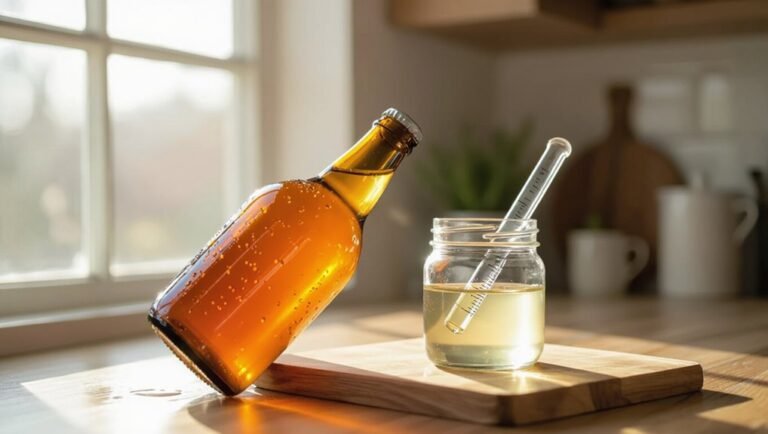
When you brew kombucha at home, you let sweetened tea ferment under the care of a SCOBY, which is a rubbery mat of bacteria and yeast that consumes sugar and produces organic acids, carbonation, and trace nutrients. You steep tea, add sugar, cool it, and then add the SCOBY along with starter liquid. You should ferment for 7 to 14 days to achieve the desired tartness; then, you bottle the kombucha and optionally flavor it for carbonation. It is important to monitor the smell and signs of mold and to keep your equipment clean. Tasting the kombucha will guide you on timing, as a sweeter taste indicates a shorter fermentation period. You should handle the SCOBY gently and store any excess in starter liquid for future batches. Enjoy the process of experimenting with different teas and fruits.
| Step | Purpose |
|---|---|
| Steep tea | Extract flavor |
| Add SCOBY | Ferment sugars |
| Bottle | Carbonate and flavor |
The Taste of Kombucha
You’ll notice that kombucha can range from mildly sweet to sharply sour, with tangy notes in between.
Consider how sugar, fermentation time, tea type, and added flavors shape that profile.
Think about your own palate as you sample to identify which factors influence what you taste.
What Does Kombucha Taste Like?
Although it’s made from tea and sugar, the drink often surprises people with a lively balance of tangy acidity, gentle sweetness, and subtle effervescence that cleanses the palate.
You’ll notice layered notes that shift as you sip: initial brightness, mid-palate complexity, and a clean finish. Temperature and carbonation change perception, so it’s advisable to try it chilled and slightly fizzy.
Flavored versions add fruit or herbs without masking the base. If you pay attention, you’ll detect slight funk from fermentation, presenting a savory lift rather than spoilage.
Taste actively and decide if its personality fits your preferences.
- Aroma-driven cues
- Mouthfeel and fizz
- Finish and aftertaste
The Flavor Profile: Sweet, Tangy, or Sour?
Balance is what defines kombucha’s flavor. It can lean sweet, tangy, or decidedly sour depending on fermentation length, the amount of sugar left behind, and any added flavorings.
You’ll notice sweetness when fermentation is short and residual sugar remains; it’s gentle, almost dessert-like.
Tangy kombucha hits a bright, vinegar-tinged note that wakes your palate without overpowering it.
When fermentation goes longer, acidity rises and sourness dominates, resembling tart apple cider or light vinegar.
Your perception also shifts with temperature and carbonation: colder, fizzy kombucha feels crisper and less sweet, while warm or flat pours emphasize acidity and sour notes.
Factors Affecting Kombucha’s Taste
Those flavor shifts come from several controllable elements in the brewing process. You can influence sweetness, acidity, and aroma by adjusting time, temperature, and ingredients.
Taste evolves as yeast and bacteria consume sugar and produce acids and carbonation. It’s important to monitor these factors to achieve the desired profile.
- Fermentation time: Longer fermentation results in a tangier flavor and less sweetness, while shorter fermentation maintains sweetness and milder acids.
- Temperature: Warmer temperatures accelerate fermentation, increasing sourness, whereas cooler temperatures slow down the process, preserving delicate flavors.
- Ingredients and ratios: The type of tea, amount of sugar, and the addition of fruits or herbs directly shape the aroma, body, and aftertaste of the kombucha.
Is Kombucha an Acquired Taste?
You might find kombucha off-putting at first because of its sharp acidity, funkier fermentation notes, and effervescence that you aren’t used to.
With regular, small tastings, most people start to appreciate its complexity within a few weeks as their palate adjusts.
Think about how you adapted to other fermented drinks, such as sake, kefir, or sour beer, to set your expectations for how long it will take.
Why Do Some People Find Kombucha’s Taste Off-Putting?
Although the tangy and effervescent flavor of kombucha appeals to many individuals, some people find it off-putting because it combines sourness, acidity, and subtle funk in ways that the palate doesn’t expect.
You might’ve a negative reaction if you dislike sharp sour notes, unexpected carbonation, or the musty tang that comes from fermentation. Your brain compares kombucha to familiar drinks and identifies differences as unpleasant.
Sensitivity to acidity, aversion to yeasty aromas, and cultural taste norms shape your response. It may be helpful to consider what specifically bothers you and to try milder variants.
The factors that contribute to this reaction include high acidity and sourness, yeasty or “funky” fermentation aromas, and unexpected carbonation along with flavor complexity.
How Long Does It Take to Get Used to Kombucha?
Because kombucha blends sharp acidity, effervescence, and subtle fermentation notes, most people treat it as an acquired taste that takes anywhere from a few tries to several weeks to accept.
You may adapt quicker if you start with milder, fruit-flavored versions and sip small amounts regularly. It’s important to pay attention to sweetness level and carbonation; lower acidity and gentler fizz ease adjustment.
Expect initial surprise, then gradual tolerance as your palate registers complexity. If you persist with short, consistent tastings several times a week, you’ll likely notice acceptance within two to four weeks.
If you do not, it might simply not suit you.
Comparing Kombucha to Other Fermented Beverages
When you compare kombucha to other fermented drinks such as beer, wine, kefir, or kimchi brine, you’ll notice that it occupies a unique space between a beverage and a probiotic snack.
It’s fizzy and tart like cider, lightly acidic like wine, but it also has florals and yeasty esters that may feel unfamiliar at first. The funkiness of kombucha varies by culture, tea, and sugar, meaning that some batches may resemble sour beer while others may have a more floral or vinegary taste.
This range makes it approachable for some individuals while presenting a challenge for others. To discover your preferences, consider sampling different varieties and focus on the following aspects:
- Compare sweetness and acidity.
- Note carbonation and mouthfeel.
- Smell before sipping.
Is Kombucha Tasty?
You might find kombucha invigorating or off-putting depending on your personal preferences. Some individuals love its tang and fizziness while others do not.
Age plays a role as well, with younger drinkers often preferring bold, flavored varieties and older drinkers sometimes enjoying milder or less sweet options.
It’s advisable to try a few flavored kombuchas to see how fruit, herbs, or sweetness can shift the taste for you.
Who Enjoys the Taste of Kombucha?
Curious whether kombucha will please your palate? You might enjoy it if you appreciate tangy, fizzy drinks that balance sweet and sour notes.
It appeals to individuals who seek alternatives to soda, enjoy fermented flavors, or desire low-sugar beverages. You may appreciate subtle fruit, herbal, or tea undertones that soften the tartness.
- Flavor explorers: You try new tastes and enjoy complexity.
- Health-minded sippers: You want probiotic benefits along with rejuvenating fizz.
- Soda switchers: You crave carbonation without heavy sweetness.
Consider trying small samples and different flavors to determine which profile fits you.
Kombucha’s Appeal Among Different Age Groups
If you liked the idea of kombucha as a soda alternative or flavor adventure, you’ll find its appeal shifts across age groups.
Younger adults often enjoy the novelty and fizz; they tend to try bold flavors and appreciate kombucha as a trendy, low-sugar drink.
Middle-aged drinkers may value subtle complexity and potential health benefits, opting for milder varieties.
Seniors generally favor gentler, less-acidic options and might sip it for digestion or variety, rather than for hype.
Your preferences can change with life stage, health goals, and taste sensitivity, so age influences attraction but doesn’t strictly determine whether you’ll enjoy kombucha.
Flavored Kombucha: Does It Change the Taste?
Although kombucha’s base brings tartness and funk, adding fruit, herbs, or spices can substantially shift the flavor profile, making it sweeter, brighter, or more aromatic.
You’ll find that flavored varieties soften acidity and mask funk, so beginners often prefer berry, citrus, or ginger blends. When you sip, you can expect layers: initial sweetness, a midnote of fruit or herb, then a lingering tang.
Flavors also affect mouthfeel and perceived acidity. It’s advisable to try different styles to learn your preferences.
Consider these common additions and what they do:
- Citrus — brightens and reduces perceived sourness.
- Ginger — adds spice and warms the finish.
- Berry — increases sweetness and smooths tartness.
Health Benefits That Might Influence Taste Perception
If you understand that kombucha can aid digestion and contains probiotics, you might find its tang more appealing.
Your gut health can also influence your taste preferences, making fermented flavors more or less enjoyable.
Let’s examine how probiotic strains in kombucha could shape its flavor and your perception of it.
Does Kombucha Taste Better When You Know the Health Benefits?
Have you ever noticed that your kombucha seems more invigorating when you remember it’s helping your gut?
You’re more likely to savor the tangy fizz if you associate it with benefits such as digestion support or probiotics. That belief shifts attention from the sharpness of the drink to its purpose, making the flavors feel more rewarding.
Expectation, labeling, and context shape enjoyment; knowing the benefits primes you to seek out subtle notes rather than recoil from them.
- Expectation: positive beliefs increase pleasure.
- Labeling: framing the beverage as “probiotic” alters perception.
- Context: drinking with health intent focuses taste.
You won’t always prefer it, but the awareness of benefits can influence your liking.
How Gut Health Influences Taste Preferences
Remembering the benefits of kombucha can shift how you taste it, but your gut does more than influence expectations. It shapes the sensory experience itself. Your microbiome interacts with taste receptors, modulates cravings, and alters bitterness perception. Therefore, you might prefer milder or tangier brews as your gut changes. Diet, antibiotics, stress, and sleep reshape microbes, which subsequently tweak flavor signals to your brain. It is important to pay attention to gradual shifts; small changes in gut balance can make a familiar kombucha seem new.
| Factor | Effect |
|---|---|
| Diet | Changes sweetness preference |
| Stress | Heightens bitterness sensitivity |
| Sleep | Alters craving for sourness |
The Role of Probiotics in Kombucha’s Flavor Profile
The live probiotics in kombucha interact with your mouth and gut, which can subtly reshape how you perceive flavors and improve digestion.
You may notice brighter acidity, milder bitterness, or enhanced sweetness as microbes adjust receptor sensitivity and metabolize compounds. Over time, your palate adapts to fermented notes and effervescence, making previously sharp flavors enjoyable.
- Probiotics modulate taste receptors by altering oral chemistry and gut signaling.
- They transform tea compounds into acids and esters that change aroma and mouthfeel.
- Regular exposure trains your brain to expect and appreciate kombucha’s layered profile.
Tips for Beginners: How to Enjoy Kombucha
Begin with mild, low-acid kombuchas so you don’t become overwhelmed by sharp flavors.
You can mix kombucha with sparkling water, juice, or iced tea to mellow it and discover combinations you enjoy.
When selecting a bottle, check the sweetness, flavorings, and carbonation level to align with your taste preferences.
Starting with Mild Flavors
Curious how to ease into kombucha without shocking your palate? Start with gentler options so you can appreciate flavors slowly.
Choose lightly fermented, low-acid varieties and sip small amounts to gauge tolerance. Pay attention to sweetness, carbonation, and aroma; milder bottles tend to be less vinegary and more approachable.
Try different brands to find a baseline you like, then gradually explore bolder profiles when you’re ready. Keep tasting notes to track preferences and progress.
- Select low-acid, lightly fermented kombucha.
- Sip small pours, then increase gradually.
- Compare brands to find your starting flavor.
Mixing Kombucha with Other Drinks to Enhance Taste
Once you have found a mild kombucha you like, you can make it even more approachable by mixing it with other drinks.
Try half kombucha and half sparkling water to soften the tang without losing the fizz.
Blend equal parts with fruit juice such as apple, grape, or white cranberry for sweetness and a familiar flavor.
Add iced tea for a smoother, less sour sip that still feels probiotic.
For cocktails, swap kombucha for soda in light mixed drinks to reduce sugar and add complexity.
Taste as you go, adjusting ratios until the balance suits you.
Label mixtures and note favorites for easy repeats.
How to Choose the Right Kombucha for Your Taste Preferences
If you desire something fruity, fizzy, or subtly tangy, begin by sampling small bottles or flights to establish your baseline preferences.
Take note of sweetness, acidity, and carbonation levels so you can identify what appeals to you.
- Choose flavor intensity: select mild flavors for beginners and bold options for frequent drinkers.
- Check the sugar and caffeine content: lower sugar levels can ease acidity, while caffeine can impact your energy levels.
- Try raw versus pasteurized options: raw kombucha offers complexity and fizz, whereas pasteurized varieties tend to be gentler.
Rotate between different brands and homebrews to refine your preferences.
Serve the kombucha chilled, pour it gently to preserve the bubbles, and consider pairing it with light foods.
Trust your palate; keep what you enjoy and discard the rest.
Common Misconceptions About Kombucha’s Taste
You might think kombucha is too sour, overly fizzy, or tastes like vinegar, but those perceptions aren’t always accurate.
The flavor balance and carbonation level you’ll notice depend on the brew, flavorings, and how it’s stored.
Let’s sort out what influences each perception so you know what to expect.
Is Kombucha Too Sour for Most People?
Curious whether kombucha’s tang scares most people off? You’ll find that sourness varies by brew, so it isn’t universally overwhelming.
If you like tart foods, you’ll likely enjoy kombucha; if not, you can ease in. Taste depends on fermentation length, sugar, and flavoring. It’s advisable to try different profiles and not to judge a whole category by one bottle.
- Start mild: choose lightly fermented or fruit-flavored options to reduce sharpness.
- Balance flavors: pair with sweeter mixers or foods to soften tang.
- Sample widely: small tastings reveal what level of sour you tolerate.
The Myth of Kombucha Being Too Fizzy
Think carbonation puts you off kombucha before you even sip? You might expect harsh, uncontrollable fizz, but most commercial brews balance bubbles so they enhance flavor rather than assault your palate.
Producers control carbonation through fermentation time, bottling technique, and refrigeration, so you’ll find gently effervescent options alongside more lively ones. If you’re sensitive to fizz, try chilled bottles, smaller pours, or brands labeled “lightly carbonated.”
Pouring slowly into a tilted glass reduces head and sensation. Don’t assume kombucha equals soda-level carbonation; you can easily find or create versions that match your comfort with bubbles.
Does Kombucha Have a Vinegary Taste?
Ever wondered if kombucha tastes like vinegar? You might notice a tart, acidic note, but it isn’t straight-up vinegar unless it’s overfermented.
Kombucha’s acidity comes from organic acids produced during fermentation, creating a bright tang that complements sweetness and funk. Your experience depends on brew time, SCOBY health, and flavoring.
- Short ferment: milder, lightly tangy, more sweet.
- Long ferment: sharper, vinegary edge, less sugar.
- Added flavors: fruit or herbs mask acidity and balance taste.
Taste with curiosity: a sip can be invigoratingly tart rather than harshly vinegary when brewed well.
Can Kombucha Taste Improve Over Time?
You might notice that the flavor of kombucha shifts as it ages, becoming tarter or more complex depending on how long you allow it to sit.
It’s important to pay attention to storage conditions; temperature, light, and airtightness all influence the rate of fermentation and the final taste.
Understanding these factors helps you determine whether aging will improve the batch for your palate.
Aging Kombucha: Does It Change the Flavor?
Sometimes a brew needs time. Aging kombucha can change its balance of sweetness, acidity and carbonation, and you’ll often notice brighter tartness and deeper vinegar notes as it sits.
You’ll taste subtler tea flavors fade while complex, savory edges emerge. Some batches mellow, while others assert sharper acidity. If you enjoy tang and depth, aging can refine character. If you prefer fresh, lively fizz, a shorter aging time works better.
It’s advisable to conduct controlled trials so you can learn your preference.
- Taste at intervals to track development.
- Note changing sweetness, acidity and mouthfeel.
- Decide when the flavor matches your palate.
How Storage Conditions Impact Kombucha’s Taste
After you have decided whether aging suits your taste, storage conditions become the next significant factor that will shape kombucha’s evolution.
You’ll control temperature, light, and container to guide flavor: cool, dark storage slows fermentation and preserves tangy brightness; warmth accelerates souring and carbonation.
Glass keeps flavors pure; metal or plastic can taint them. Sealed bottles retain fizz but risk pressure buildup; loose covers mellow acidity while allowing CO2 to escape.
Refrigerate finished bottles to stabilize taste. Check periodically by smelling and tasting a small amount to determine when it’s right for you.
Proper storage won’t fix a bad brew, but it can refine a good one.
Exploring Alternative Ways to Enjoy Kombucha
You can mix kombucha into cocktails for a fizzy and tangy twist or use it as a non-alcoholic mocktail base.
Try swapping it for vinegar or stock in dressings, marinades, and baking recipes to add complexity and natural acidity.
Consider kombucha as a versatile ingredient and beverage that can replace or enhance both alcoholic drinks and everyday recipes.
Kombucha Cocktails: Is It a Good Mix?
Curious how kombucha performs beyond a glass?
You’ll find it livens cocktails with effervescence, tang, and a probiotic-friendly vibe. Use it to balance sweetness, add zip, or replace soda for a lighter option. Start simple and taste as you go.
- Shake up: Mix kombucha with clear spirits such as vodka or gin for a crisp, low-sugar highball.
- Brighten: Combine with citrus and a dash of bitters to tame funk and highlight acidity.
- Mocktail swap: Use kombucha in place of tonic or soda for complex, nonalcoholic refreshers.
Using Kombucha in Cooking and Baking
If you enjoyed kombucha in cocktails, you’ll find it just as enjoyable in the kitchen. Its acidity, effervescence, and subtle funk can brighten dressings, marinades, baked goods, and even preserves.
Use kombucha to deglaze pans for tangy pan sauces, swap part of the liquid in sourdough or pancake batter for gentle lift, or mix it into vinaigrettes for complex zip.
Reduce stronger flavors to concentrate sweetness for glazes or fruit compotes. Marinate chicken or tofu briefly to tenderize without overpowering.
Taste as you go; start small since its bold profile shifts with heat and reduction.
Kombucha as a Non-Alcoholic Beverage Alternative
While kombucha often appears on bar menus, it functions equally well as a sober and flavorful alternative for everyday drinking.
It’s bright, fizzy, and layered with acidity and umami that replace the complexity of alcoholic mixers. You can substitute it in cocktails, mocktails, or simply enjoy it chilled.
Use ginger or citrus varieties to imitate spice and brightness, while fuller, tea-forward brews provide depth similar to wine. You’ll discover that it refreshes meals and social moments without the effects of alcohol.
- Replace tonic in a gin-free spritz for a bitter-sweet balance.
- Mix with fruit juice for a low-sugar refresher.
- Serve over crushed ice with herbs for added aroma.
Conclusion
You might find kombucha sharp, fizzy, and an acquired taste or you could fall for it instantly. Either way, do not force it; try milder flavors, dilute with sparkling water, or sip small amounts so your palate can adjust. Remember that health benefits might make you more open to its tang, and homemade batches often mellow with time. Keep experimenting; with patience and variety, you will discover how kombucha fits your tastes and routine.