Does Kombucha Cause You to Test Positive for Alcohol?
If you are worried about kombucha showing up on an alcohol test, you should know it is possible but unlikely with most store-bought brands; their alcohol content is usually trace. Small servings rarely matter, yet homebrewed batches or large amounts can raise levels enough to trigger sensitive screens. Continue reading to learn which tests are affected and how to minimize risk.
Understanding Kombucha and Its Ingredients
You’re looking at a lightly effervescent tea called kombucha, made when sweetened tea is fermented by a SCOBY, which stands for symbiotic culture of bacteria and yeast.
During fermentation, the microbes consume sugar and produce acids, gases and small amounts of alcohol, which affects flavor and testing.
Key ingredients, including tea, sugar, starter culture and flavorings, each shape the chemistry and final alcohol content you’ll need to contemplate.
What is Kombucha?
Kombucha is a lightly effervescent fermented tea made by combining sweetened tea with a symbiotic culture of bacteria and yeast, known as SCOBY.
This culture converts sugar into organic acids, carbon dioxide, and small amounts of alcohol. You’ll find bottled and homemade versions flavored with fruit, herbs, or spices.
They’re low in calories and are often marketed for gut health. The ingredients are simple: tea, sugar, water, and the SCOBY.
Labels sometimes list alcohol content and live cultures. If you’re wondering whether kombucha will make you test positive for alcohol, check the alcohol by volume and serving size to assess risk.
The Fermentation Process of Kombucha
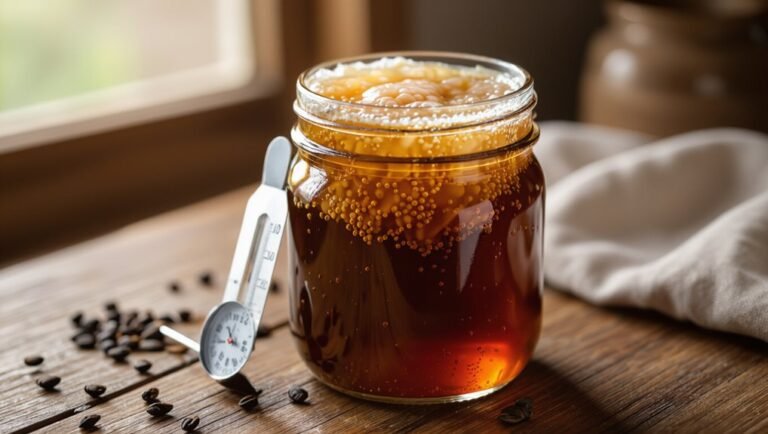
While it may appear simple, the fermentation of kombucha is a dynamic biochemical process driven by the SCOBY. Yeasts convert sugar into ethanol and carbon dioxide, while bacteria oxidize that ethanol into organic acids such as acetic and gluconic acid.
One can observe fermentation progress through bubbling, a drop in pH, and changing aroma as microbes interact. Fermentation time, temperature, and initial sugar levels influence ethanol production and its subsequent oxidation. You can slow or speed reactions by adjusting these variables.
Because microbial activity fluctuates, small amounts of ethanol may transiently appear and then diminish as bacteria metabolize alcohol into acids.
Key Ingredients in Kombucha and Their Role
If you have followed fermentation, you’ll know that the SCOBY and microbes are only part of the story.
What you put into the jar shapes everything that follows. You start with sweetened tea. Sugar feeds yeast, producing ethanol, while tea supplies tannins, caffeine, and nutrients that steer microbial activity.
The SCOBY and bacteria convert ethanol into organic acids, such as acetic and gluconic acid, lowering pH and yielding tang. Flavorings, including fruit, herbs, or juice, add fermentable sugars and aromatic compounds, which can boost residual alcohol if fermentation is short.
Water quality, temperature, and sugar ratio all influence alcohol levels and final taste, so you control outcomes.
Alcohol Content in Kombucha
You’ll want to know how alcohol forms during fermentation, since yeast convert sugars into ethanol as they consume the sweet tea.
Consider whether those ethanol levels are high enough to trigger a positive alcohol test, because commercial and home-brewed kombucha can vary.
Compare alcohol percentages across store-bought, low-alcohol, and naturally fermented varieties to understand the risk.
How is Alcohol Formed During Fermentation?
When yeast consumes the sugars in sweet tea, it converts them into ethanol and carbon dioxide through fermentation.
So kombucha naturally develops some alcohol as the culture ferments. You’ll see a SCOBY (symbiotic culture of bacteria and yeast) coexisting: yeast breaks down sucrose into glucose and fructose, then ferments those into ethanol and carbon dioxide.
Bacteria feed on that ethanol, oxidizing some into acetic and other organic acids, which lower pH and create a tangy flavor.
The fermentation rate depends on temperature, sugar level, and time, so alcohol production varies. Controlling those variables helps one manage how much ethanol forms.
Does Kombucha Contain Enough Alcohol to Cause a Positive Test?
Could kombucha set off an alcohol test? You’re unlikely to trigger standard breath or urine screens from a typical commercially produced kombucha because producers keep alcohol under 0.5% ABV to meet non-alcoholic labeling laws. However, home-brewed kombucha or improperly stored bottles can ferment further, raising alcohol above trace levels. Testing sensitivity, timing after consumption, and how much you drink matter: heavy intake of higher-ABV batches or fresh home brews increases risk. If you face workplace or legal testing, choose certified low-alcohol brands, avoid home brews, and disclose kombucha consumption to testing authorities when appropriate.
Alcohol Levels in Different Types of Kombucha
Although commercial kombuchas are formulated to stay under 0.5% ABV, alcohol levels actually vary by type and production method. Therefore, you should pay attention to labels and storage. Raw, homebrewed, and hard kombuchas differ. Raw and unpasteurized bottles can ferment further, raising alcohol levels. Unflavored store brands usually stay low in alcohol content, while hard kombucha is intentionally higher. You should refrigerate to slow fermentation and check batch dates. Below is a quick reference to help you compare typical ranges and risks.
| Type | Typical ABV Range |
|---|---|
| Store Pasteurized | 0–0.5% |
| Raw Bottling | 0.2–1.5% |
| Homebrew | 0.5–3% |
| Hard Kombucha | 4–8% |
The Effects of Kombucha on Drug and Alcohol Tests
You might wonder whether your kombucha could affect a workplace or legal test, so we’ll look at how it can show up on different screenings.
You’ll learn the main testing methods, including breath, blood, urine, and the ETG urine test, and whether the trace alcohol from kombucha is likely to trigger a positive result.
We’ll also cover what the ETG test detects and under what circumstances kombucha might cause a false positive.
How Kombucha Can Show Up on a Drug Test
If you have ever worried that your daily kombucha might affect a drug or alcohol test, it’s worth knowing how fermentation, trace alcohol, and testing methods interact.
Kombucha can contain small amounts of alcohol that, in rare cases, might register on sensitive alcohol screens, while standard drug panels generally won’t detect it.
You should note serving size, alcohol by volume (ABV) listed, and whether a bottle is fully fermented or pasteurized.
On occasion, homemade or improperly stored kombucha has higher ABV and could push a sensitive breath or urine alcohol test over the cutoff.
Inform testers about recent consumption and keep packaging for verification.
Alcohol and Drug Testing Methods
When you need to understand how kombucha might affect a screening, start by looking at the specific test type and its detection thresholds.
Breath, blood, and some urine alcohol assays measure recent ethanol exposure and can pick up trace alcohol from kombucha if levels or timing push concentrations above cutoffs.
However, standard drug panels for substances such as THC, opiates, or amphetamines won’t detect kombucha at all.
You should check assay sensitivity, sampling window, and whether the lab uses confirmation testing.
Consider workplace, legal, or medical contexts and communicate consumption.
Emotional reactions matter:
- Anxiety about false positives
- Relief from clear negatives
- Frustration with uncertainty
- Urgency to disclose consumption
- Trust in confirmatory testing
Can Drinking Kombucha Cause a Positive Alcohol Test?
If you’re worried that kombucha will trigger an alcohol breath test, it’s unlikely because most commercial brews contain less than 0.5% ABV and won’t register on breathalyzers designed for higher levels.
Urine tests can be more sensitive to metabolites, but casual kombucha consumption rarely produces concentrations that cause false positives.
Still, if you face strict testing, choose alcohol-free-certified brands or check labels to be safe.
Alcohol Test vs. Urine Test: Is Kombucha a Concern?
Curious whether that probiotic bottle could flag you on a urine alcohol test?
You’ll likely be fine: most commercial kombucha has low ethanol, below common urine cutoff levels, but homemade batches can vary.
If you’re worried, avoid large amounts before testing or choose alcohol-free brands.
Feelings about risk include:
- anxious
- relieved
- cautious
- skeptical
- informed
What is the ETG Test and Will Kombucha Show Up on It?
Ever wondered how kombucha might affect an ETG alcohol test? The ETG (ethyl glucuronide) urine test detects alcohol metabolites for up to 80 hours. If you drink nonalcoholic kombucha with trace ethanol, it is unlikely to produce ETG above cutoff levels. Homemade or overfermented kombucha can contain higher ethanol and might raise ETG. Factors such as the amount consumed, timing, individual metabolism, and test sensitivity matter. To reduce risk, choose commercially labeled low-alcohol kombucha, refrigerate, and avoid excess. Consult testing authorities if you are subject to monitoring.
| Item | Risk | Advice |
|---|---|---|
| Commercial low-alc | Low | Prefer labeled |
| Homemade | Higher | Test before use |
| Amount | Variable | Limit intake |
| Timing | Critical | Allow clearance |
| Individual | Variable | Seek guidance |
Kombucha and Its Impact on Different Types of Drug Tests
You might wonder whether drinking kombucha could lead to a failure in a drug test or result in a positive outcome specifically on an alcohol screening.
This article will examine how the trace alcohol and fermentation byproducts present in kombucha can influence various types of tests, including urine, breath, and blood tests.
Will Kombucha Make You Fail a Drug Test?
If you’re facing a standard urine drug test, you’ll want to know whether kombucha could interfere with results.
Kombucha contains tiny amounts of alcohol and various metabolites, but it doesn’t contain the drugs those tests target.
Still, you’ll want to take into account timing and quantity because unusual metabolites or adulterants can sometimes affect screening or specimen validity checks.
How Kombucha Could Affect a Standard Urine Drug Test
Although kombucha can contain trace amounts of alcohol from its fermentation, it’s unlikely to cause a positive result on a standard urine drug test for common illicit drugs.
Most urine screens look for metabolites of substances such as THC, opioids, amphetamines, and cocaine, not ethanol.
You shouldn’t worry, but you should consider context and sensitivity.
Will Kombucha Show Up on a Drug Test for Alcohol?
Wondering whether that fizzy bottle of kombucha could trigger a positive alcohol test? You will likely be fine: most workplace or forensic alcohol screenings target ethanol levels far above trace amounts in commercial kombucha. Home-brewed kombucha can have higher ethanol, so exercise caution. Different tests detect ethanol or its metabolites; sensitivity and cutoff values vary. Check the test type and kombucha source before consumption.
| Test Type | Detects | Typical Result |
|---|---|---|
| Breath | Ethanol | Negative (commercial) |
| Urine | Ethanol/metabolites | Usually negative |
| Hair | Ethyl glucuronide | Rarely affected |
Can Kombucha Cause You to Fail an Alcohol-Specific Test?
How likely is kombucha to make you fail an alcohol-specific test?
You’re unlikely to fail a properly designed breath or blood alcohol test from typical kombucha consumption because ethanol concentrations remain very low.
Still, trace levels can show up in sensitive assays or if you consume large amounts or home-brewed batches.
- Anxiety about job security
- Fear of unfair consequences
- Frustration with unclear labeling
- Relief when informed testing is precise
- Worry after home brewing
If you’re concerned, you should avoid kombucha before testing, choose pasteurized commercial brands, or inform testers about recent consumption to reduce risk and confusion.
Understanding the Alcohol Content and Risk of False Positives
You should know that most commercial kombuchas have low alcohol levels, but homemade or improperly stored batches can be higher and raise your risk of a positive alcohol test.
Urine tests look for specific alcohol metabolites, so the drink’s actual ethanol concentration and timing of the test matter.
To reduce risk, choose labeled low-alcohol products, refrigerate them, and avoid drinking kombucha shortly before a scheduled test.
The Risk of Failing a Drug Test After Drinking Kombucha
Because kombucha undergoes fermentation, it can contain small amounts of alcohol, which raises a real but generally low risk of triggering a workplace or court-ordered alcohol or ethanol test.
You’ll usually be safe, but factors such as quantity, timing, and individual metabolism matter. Know your situation and act cautiously if stakes are high.
Consider these feelings and actions:
- Anxiety about unexpected consequences
- Relief when risk seems minimal
- Frustration over unclear labeling
- Caution when tests are imminent
- Confidence after confirming limits
If you’re unsure, choose nonalcoholic alternatives or consult testing policies before drinking.
The Role of Alcohol Content in Kombucha on Urine Tests
Having considered when kombucha might raise concerns for testing, let us look at how its actual alcohol content affects urine results. You should know most commercial kombuchas contain under 0.5% ABV, which is usually too low to trigger routine urine alcohol screening. Homemade or improperly fermented batches can reach higher ABV, increasing risk. How laboratories respond depends on cutoff thresholds and metabolites detected. Visualize typical ranges:
| Type | Typical ABV |
|---|---|
| Commercial low-alcohol | <0.5% |
| Homemade/long-ferment | 0.5–3% |
Know your source and testing thresholds to assess realistic risk.
How to Minimize the Risk of Testing Positive for Alcohol After Drinking Kombucha
If you’re concerned about a urine alcohol test after drinking kombucha, focus on the drink’s source, serving size, and timing.
Choose commercially labeled low-alcohol brands with an alcohol by volume of less than 0.5 percent. Avoid large or multiple servings, and allow several hours before a test to let any small ethanol levels decline.
Select fresh, refrigerated bottles, read labels carefully, and avoid homebrews. Stay hydrated, eat first, and wait at least six to twelve hours if possible.
If you’re tested regularly, document what you drank and keep receipts.
- Fear of a false positive
- Relief from choosing trusted brands
- Anxiety about homebrews
- Confidence in waiting
- Peace from documentation
Legal and Health Implications of Kombucha Testing Positive
If you have a drug or workplace alcohol test coming up, think twice about drinking kombucha beforehand because trace ethanol can sometimes register on sensitive tests.
You might wonder whether those low levels pose a health risk. Typically, they don’t for most people, but they can matter for those in recovery, pregnant individuals, or anyone on medications that interact with alcohol.
Check your employer’s testing policy and, when in doubt, choose non-fermented alternatives to avoid potential legal or professional consequences.
Health Considerations When Drinking Kombucha Before a Drug Test
Because kombucha often contains trace amounts of alcohol from fermentation, you should weigh both the legal and health implications before drinking it if you’re facing a drug or alcohol test.
Consider your tolerance, medication interactions, and any medical conditions that alcohol—even tiny amounts—might affect. Check labels and ask producers about alcohol content.
If you need certainty, avoid it before testing and seek medical advice when in doubt.
- Anxiety about false positives can feel overwhelming.
- Fear of job or legal consequences can spike stress.
- Concern for health can make choices harder.
- Uncertainty about labels breeds mistrust.
- Wanting clear guidance is normal.
Should You Be Concerned About Kombucha and Alcohol Testing in the Workplace?
Wondering whether that morning kombucha could cost you your job?
You’re unlikely to fail a workplace alcohol test from typical kombucha use. Most commercial kombuchas contain less than 0.5% ABV, which is below legal non-alcoholic thresholds and standard breath or urine cutoffs.
Still, home-brewed batches can reach higher ABV, so you should avoid bringing unregulated kombucha to work or drinking large quantities before testing.
If your role involves zero-tolerance policies or safety-sensitive duties, you should disclose kombucha consumption to HR or testing administrators and keep purchase receipts or labels.
When in doubt, you should choose sealed nonalcoholic drinks and follow workplace rules to stay protected.
Can Kombucha Be Used for Recovery Without the Risk of Drug Test Failures?
If you’re avoiding alcohol for recovery, you can still enjoy fermented flavors by choosing alcohol-free kombucha or alternatives such as kefir, shrub drinks, or sparkling herbal tonics.
These options provide gut-friendly probiotics and a tangy taste without the small ethanol levels that can trigger sensitive tests.
You should check labels or choose certified alcohol-free products to ensure you don’t risk unexpected test results.
Alternatives to Kombucha for Alcohol-Free Fermented Beverages
When you’re avoiding alcohol and want the tang of fermented drinks without risking a positive drug or alcohol test, several non-alcoholic alternatives can deliver similar flavor and digestive benefits safely.
You can choose options that soothe cravings, support recovery, and feel celebratory without ethanol. Try them to reclaim rituals and comfort while staying test-safe.
Sparkling water with a splash of apple cider vinegar and honey offers a bright, familiar, and reassuring experience.
Non-alcoholic probiotic sodas provide an effervescent, playful, and mood-lifting sensation.
Water kefir is gentle, nourishing, and steadying.
Fermented herbal teas, when decaffeinated, are calming and grounding.
Homemade ginger brews are warming and empowering.
The Benefits of Non-Alcoholic Kombucha
Because non-alcoholic kombucha contains negligible ethanol and often delivers the same tangy, fizzy comfort as regular kombucha, you can usually enjoy it during recovery without risking a positive alcohol test.
You’ll receive probiotics that support gut health, antioxidants that combat inflammation, and hydration without alcohol’s impairing effects.
Choose products labeled “non-alcoholic” or with less than 0.5% ABV and check ingredient lists for added sugars or flavorings.
Make kombucha part of a balanced recovery plan, not a substitute for medical care.
If you face strict testing or have doubts, consult your provider and consider fully alcohol-free alternatives such as herbal teas.
Conclusion
You can drink kombucha without worrying much about testing positive for alcohol, but exercise caution. Most commercial kombuchas contain less than 0.5% ABV, so standard drug tests usually will not detect them. Still, trace ethanol can show up on very sensitive screens or if you drink large amounts or homebrew with uncontrolled fermentation. Choose low-alcohol brands, limit servings, and allow time for your body to metabolize alcohol before testing to minimize any risk.