Can Kombucha Make You Test Positive for Alcohol? Understanding the Impact on Drug and Alcohol Tests
If you drink kombucha, you may wonder whether its tiny alcohol content could affect a drug or alcohol test. Commercial bottles usually contain less than 0.5% ABV, but homemade or unpasteurized batches can have higher levels, and very sensitive tests can detect trace ethanol. You will want to know which tests are most likely to identify it, how timing matters, and what steps can reduce the risk. Therefore, continue reading to learn more.
Understanding Kombucha and Alcohol Content
You’ll learn what kombucha is, how its SCOBY ferments sugar into alcohol and acids, and why that process matters for lab testing.
You’ll see how fermentation stages and brewing conditions change alcohol levels.
What is Kombucha?
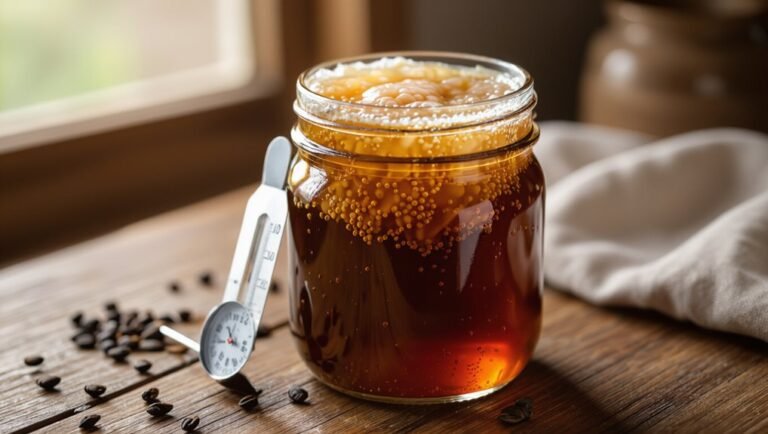
Kombucha is a slightly effervescent, fermented tea made by culturing sweetened tea with a symbiotic colony of bacteria and yeast known as SCOBY.
It often contains small amounts of alcohol produced during fermentation. You’ll find commercial and homemade varieties, flavored or plain, raw with live cultures or pasteurized to remove microbes.
You might wonder if kombucha can make you test positive for alcohol; low-alcohol versions typically stay under legal limits, but variation exists.
Serving size, fermentation time, and storage affect alcohol levels. Please read labels, choose pasteurized products if you’re concerned, and avoid home-brews when you need strict alcohol-free assurance.
The Alcohol Fermentation Process in Kombucha
How does sugar turn into a trace of alcohol during kombucha’s fermentation?
You feed the SCOBY sweet tea, then microbes consume sugar. Yeasts break down glucose and fructose into ethanol and carbon dioxide. Bacteria oxidize some ethanol into acetic acid, which lowers alcohol levels.
Temperature, time, and yeast strains shape that balance, so small amounts of ethanol form and are often reduced by bacteria.
- Yeast ferments sugar to produce ethanol and carbon dioxide.
- Acetic acid bacteria convert ethanol into acids.
- The duration of fermentation affects the buildup of ethanol.
- Environmental factors such as temperature, oxygen, and microbes influence conversion rates.
How Much Alcohol is in Kombucha?
The interactions between yeast and bacteria determine why kombucha rarely remains alcohol-free. During fermentation, one will usually end up with measurable ethanol, although the amounts can vary widely.
Commercially labeled kombucha is often below 0.5% ABV to comply with nonalcoholic regulations, but home brews and some craft bottles can reach 1% to 3% ABV or higher if fermentation continues.
Factors such as sugar content, temperature, fermentation time, and secondary flavoring influence ethanol levels.
If you need to avoid alcohol for testing purposes, it’s advisable to check labels, purchase pasteurized or certified low-ABV products, refrigerate to slow fermentation, and exercise caution with homemade kombucha.
Can Kombucha Show Up on a Urine Test?
You may worry that drinking kombucha could trigger a positive urine alcohol test, so it helps to know what affects detection.
Factors such as how much you drank, the beverage’s residual alcohol, your metabolism, and the timing of the test all matter.
This article will examine how kombucha’s trace alcohol and fermentation can influence urine screening results.
Factors That Influence Alcohol Detection in Urine
Because kombucha undergoes natural fermentation, it can contain small amounts of ethanol that might register on some urine alcohol tests. However, whether it shows up depends on several factors, such as the drink’s alcohol content, the quantity consumed, the timing of the test, individual metabolism, and the sensitivity of the assay used.
You should consider variables that affect detection risk and interpret results cautiously.
- Product alcohol by volume (ABV) and batch variability
- Quantity consumed and drinking interval before testing
- Your body size, liver function, and metabolic rate
- Test type, cutoff levels, and lab accuracy
How Kombucha May Affect Urine Tests
If you drink kombucha shortly before a urine alcohol test, the trace ethanol from fermentation can sometimes be detected, especially with sensitive assays or when you consume larger amounts or higher-ABV batches.
Whether it registers depends on the kombucha’s actual alcohol content, how much time has passed since drinking, and the test’s cutoff and accuracy. You may test positive if the kombucha has elevated ethanol or you drank enough to exceed the assay threshold.
To reduce risk, you should check labels, avoid homebrews with unknown ABV, wait several hours after drinking, and inform the tester about recent kombucha consumption so they can interpret results appropriately.
Does Kombucha Appear on a Drug Test?
When you’re facing a drug test, it’s useful to know how testing technology detects alcohol versus other substances.
Different drug tests, including urine, saliva, and hair tests, vary in what they screen for and how sensitive they’re to alcohol metabolites.
This article will examine whether trace alcohol from kombucha could trigger those screens and under what conditions.
The Science Behind Drug Testing and Alcohol
Although kombucha contains trace amounts of alcohol from fermentation, it rarely shows up on standard workplace drug or alcohol tests.
Typically, you’ll need to consume large quantities or unpasteurized, highly fermented batches for any measurable effect.
You should know how tests work; they detect ethanol or its metabolites, not the beverage itself.
Low-level exposure from kombucha typically falls below detection thresholds, and metabolic factors matter.
If you’re concerned, consider pasteurized or low-ABV labeled products and avoid home-brewed batches before testing.
Key points to remember include:
- Tests target ethanol and metabolites, not kombucha
- Detection depends on dose and timing
- Individual metabolism affects results
- Pasteurization reduces risk
Common Drug Tests and Their Sensitivity to Alcohol
Because most workplace screens look specifically for ethanol or its metabolites, kombucha rarely triggers a positive result on standard alcohol or drug tests.
You’ll encounter breath, blood, urine, and saliva assays that target ethanol or ethyl glucuronide (EtG). Breathalyzers detect volatile ethanol only, so they’re insensitive to tiny kombucha traces.
Blood tests measure current ethanol levels and drop as your body metabolizes it. Urine EtG assays are more sensitive to recent drinking but require significant exposure. Saliva tests mirror blood for short windows.
Can Kombucha Be Detected in a Drug Test?
Curious whether your kombucha could show up on a drug test? You’re unlikely to worry: standard drug screens target drugs and their metabolites, not ethanol from fermented drinks.
Still, trace alcohol can appear on some alcohol-specific tests, not typical urine drug panels. Consider these key points:
- Most drug tests for opiates, amphetamines, and THC won’t detect kombucha.
- Breathalyzers and some alcohol assays might register low ethanol after heavy kombucha consumption.
- Home-brewed or improperly stored kombucha can have higher alcohol levels.
- If you’re tested for workplace safety, disclose kombucha use and choose low or no alcohol brands.
Can Drinking Kombucha Make You Fail a Drug Test?
You may worry that kombucha’s trace alcohol could trigger a failed drug or alcohol test, but most commercial bottles stay below legal alcohol limits.
Sensitive tests and homemade brews with higher fermentation can raise the chance of a false positive, so you’ll want to check alcohol by volume and test sensitivity.
If you’re subject to testing, consider choosing labeled low-alcohol brands or avoiding home-brewed kombucha before a screening.
Kombucha’s Alcohol Content and Its Impact on Drug Tests
If you’re worried that kombucha might trigger a drug or alcohol test, the short answer is: it’s unlikely but not impossible.
Fermentation produces trace ethanol, usually below legal kombucha limits, but factors such as homebrewing, extended fermentation, or sugar content can raise levels.
You should consider product labels, serving size, and timing before a test. Labs typically screen for ethanol or metabolites, not kombucha itself.
- Check bottled kombucha alcohol by volume (ABV) on labels.
- Avoid homebrewed batches before testing.
- Consider drinking water and waiting several hours.
- Ask the testing administrator about allowed substances.
Testing Sensitivity: Can Kombucha Cause False Positives?
How likely is kombucha to trigger a false positive on an alcohol or drug test? You are unlikely to fail most standard breath or urine tests from drinking commercial kombucha; alcohol levels are usually too low. Highly sensitive assays or homemade brews with higher ethanol could raise concerns. If you are anxious, check bottle labels, avoid unpasteurized batches before testing, and inform the tester about recent kombucha consumption.
| Emotion | Reality |
|---|---|
| Worry | Rare false positives |
| Relief | Commercial low alcohol |
| Caution | Homemade variability |
If a result surprises you, request confirmatory testing.
Kombucha and Alcohol Tests
You might wonder whether the trace alcohol in kombucha can register on a breathalyzer or other alcohol tests.
This text will explore how detection thresholds work and whether typical kombucha levels can push you over those limits.
This information will help you judge the real risk of a positive alcohol test after consuming kombucha.
Does Kombucha Show Up on Alcohol Tests?
Wondering whether that fizzy kombucha could trigger a breathalyzer or urine test? You may test positive if active fermentation yields measurable ethanol.
Factors affecting detection include brewing time, sugar, and storage. Most commercial kombuchas contain low alcohol, but homemade or improperly stored batches can be higher.
If you’re concerned, consider these points:
- Check the alcohol by volume (ABV) on labeled bottles.
- Avoid unpasteurized or over-fermented kombucha before testing.
- Rinse your mouth and wait if you recently drank kombucha to reduce residual mouth alcohol.
- Choose low- or zero-alcohol alternatives when testing is imminent.
The Threshold of Alcohol Detection in Breathalyzer Tests
Because breathalyzers detect breath ethanol at a specific cutoff, small amounts from kombucha can matter if they push you over that limit.
You should know that most devices use a legal threshold, which commonly ranges from 0.02 to 0.08% BAC depending on jurisdiction, and measure ethanol in exhaled air. Therefore, even low concentrations may register.
Factors such as recent kombucha consumption, fermentation level, carbonation, mouth alcohol, device sensitivity, and calibration affect readings.
To reduce risk, you should wait after drinking, rinse your mouth, and choose low-alcohol batches.
If you face testing, you should disclose kombucha intake and request confirmatory blood testing, which is more accurate.
Can Kombucha Lead to a Positive Alcohol Test Result?
How likely is it that drinking kombucha will trigger a positive alcohol test result?
You’ll rarely test positive from commercially brewed kombucha because the alcohol content is usually below legal limits and most tests detect higher concentrations.
Still, circumstances matter. Home-brewed or over-fermented batches can have more alcohol, and some sensitive tests or zero-tolerance policies could flag low levels.
Consider these factors:
- Alcohol by volume (ABV) in the product; commercial versus home-brew
- Time since drinking; absorption and metabolism rates
- Test sensitivity and type; breath, blood, or urine
- Quantity consumed and individual metabolism
Legal and Health Implications of Kombucha and Drug Tests
You should know that some “alcohol-free” kombucha can still contain trace ethanol that might interfere with sensitive drug or alcohol tests.
If a test flags you because of kombucha, you could face workplace, legal, or medical consequences depending on the context and local rules.
This article will look at how to minimize risk and what documentation or testing options might help if you’re concerned.
Alcohol-Free Kombucha: Does It Still Affect Drug Testing?
Curious whether “alcohol-free” kombucha can still trigger a drug or alcohol test? You should know that labels can be misleading.
“Alcohol-free” often means below 0.5% ABV, which may register in sensitive tests. If you’re subject to testing, consider these factors:
- Test sensitivity: some breath or urine screens detect very low ethanol levels.
- Serving size: larger amounts raise ethanol exposure even if ABV is low.
- Time since consumption: alcohol clears over time; testing sooner increases risk.
- Product variability: homebrews and some commercial batches can exceed labeled alcohol content.
Check policies and choose verified low- or zero-alcohol products.
Potential Consequences of Failing a Drug or Alcohol Test Due to Kombucha Consumption
Although kombucha is typically low in alcohol, testing positive after consuming it can carry real consequences for your job, legal standing, or medical care.
You might face workplace disciplinary action, loss of professional licenses, or failed pre-employment screens that cost opportunities. Legally, a positive result could complicate custody disputes, probation terms, or traffic cases if authorities don’t accept dietary explanations.
Medically, inaccurate results may alter treatment plans, delay surgeries, or affect medication decisions.
To protect yourself, keep receipts, note consumption timing, request confirmatory testing (GC-MS), and inform employers or clinicians promptly so context can be considered.
Tips for Avoiding False Positives from Kombucha
If you’re concerned about testing positive for alcohol, you should stop drinking kombucha for at least 24 to 48 hours before a test and choose pasteurized varieties that contain little to no alcohol.
You can also switch to non-fermented alternatives like herbal teas, flavored sparkling water, or pasteurized juice when you’re in a testing window.
If you must drink kombucha regularly, check labels for alcohol content and inform the testing authority or clinician about your consumption.
How to Minimize the Risk of Testing Positive for Alcohol
Because kombucha can contain trace ethanol from fermentation, you’ll want to take a few practical steps to reduce the chance it affects breath, urine, or workplace alcohol tests.
Monitor serving size and avoid large or multiple bottles before testing. Check labels for alcohol content and choose low- or non-alcoholic brands. Store kombucha refrigerated and consume before the expiration date to limit continued fermentation. Inform your employer or tester about recent kombucha consumption if asked.
- Limit intake within 12 to 24 hours of testing
- Pick products labeled less than 0.5 percent ABV
- Refrigerate and seal after opening
- Keep receipts or labels for verification
Alternatives to Kombucha for Those Undergoing Drug or Alcohol Testing
When you’re facing an upcoming alcohol or workplace test, switching from kombucha to low-risk drinks can help avoid false positives.
You should choose sparkling water, herbal tea, or certified nonalcoholic probiotic beverages instead. It’s essential to read labels carefully, avoiding products that list alcohol, fermented ingredients, or state “contains trace alcohol.”
If you desire flavor without fermentation, opt for pasteurized kombucha alternatives. Carrying a water bottle can help resist temptation, and you should ask your employer or testing service about permitted beverages.
If you require probiotics, consider taking supplements cleared by your clinician. Keep receipts and product labels in case you need to explain test results.
Conclusion (No conclusion section is needed here, just the H2)
While you don’t need a formal conclusion section here, it’s worth summarizing the key takeaway. Occasional kombucha is unlikely to trigger most alcohol tests, but individual brew alcohol content and test sensitivity vary.
Therefore, avoid assuming zero risk before important screenings. You should:
- Choose commercially tested low-ABV kombucha or labeled alcohol-free options.
- Avoid homebrewed or long-fermented batches before testing.
- Inform testing authorities or clinicians if you regularly consume kombucha.
- When in doubt, pause kombucha intake for a safe window before screenings.
These steps help you minimize false positives while staying informed about risks and testing limits.
Conclusion
Kombucha can sometimes lead to a positive alcohol result, especially if it is homemade or consumed in large amounts. To protect yourself, avoid kombucha for 24 to 48 hours before testing, choose pasteurized or labeled alcohol-free versions, and inform the testing administrator about recent kombucha or fermented beverage use. If you are concerned, obtain a confirmatory lab test and keep records such as purchase labels and photos. Being proactive and transparent helps reduce the risk of false positives and legal complications.