24 Signs You Are Unintentionally Sabotaging Your Marriage
You’re likely undermining your marriage with small habits that add up: you shut down instead of talking, dodge emotional chats, gaslight or minimize your partner’s feelings, and withhold affection as punishment. You keep score, compare your relationship to others, prioritize work or hobbies, and dismiss therapy as unnecessary. Passive-aggression, secrecy, and refusing to own mistakes erode trust and intimacy. Keep going this way and you’ll only deepen distance—scroll on to learn practical fixes and healthier habits.
How To Use This List: Spot, Stop, Replace
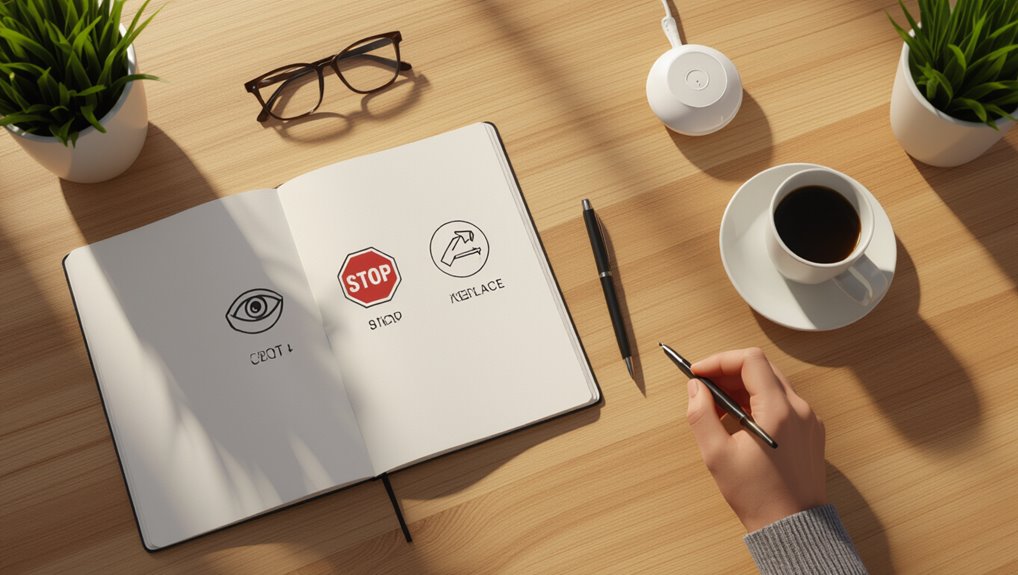
Start by reading the list with an open mind and a willingness to change.
You’ll spot patterns that hurt your marriage, note triggers and consequences, and admit responsibility without blame.
Stop the specific behaviors you identify—pause, breathe, refuse escalation.
Replace them with practical alternatives: honest requests, brief apologies, and small consistent actions that rebuild trust and model the communication you want.
You Shut Down Instead Of Talking Through Things
If you notice yourself pausing or going quiet when conflict heats up, that shutdown is as damaging as yelling. You withdraw to avoid pain, leaving issues unresolved and your partner guessing.
Silence builds distance, resentment, and miscommunication. Instead, name your need for space, set a clear time to resume the conversation, and return willing to listen and share so problems get handled, not buried.
You Dodge Emotional Conversations
When you steer clear of emotional conversations, you keep important feelings off the table and stunt the intimacy your marriage needs.
You might avoid discomfort, but silence breeds distance.
Try small steps to reconnect:
- Name one feeling in the moment.
- Ask, “How are you really?”
- Share a short vulnerability and invite theirs.
Those moves rebuild trust and closeness.
You Gaslight Your Partner’s Feelings, Even Unintentionally
Avoiding emotional talks can make small dismissals feel routine, and that’s often how gaslighting sneaks in: you tell your partner they’re overreacting, say they’re remembering events wrong, or laugh off their pain to keep the peace.
When you deny their feelings or rewrite moments, you erode trust. Own mistakes, validate emotions, and ask how to repair harm—don’t dismiss.
You Minimize Your Partner’s Needs Or Stress
Even if you mean well, downplaying your partner’s needs or stress tells them their experience doesn’t matter.
You invalidate feelings when you shrug off work fatigue, dismiss anxieties, or compare problems. That erodes trust and closeness.
Try these steps:
- Listen fully without offering solutions.
- Acknowledge feelings aloud.
- Ask how you can help right now.
You Regularly Keep Score Of Past Mistakes
You keep a mental scoreboard of every argument and slip-up, and it shapes how you respond.
When you refuse to let go, old mistakes become ammunition instead of lessons.
That habit corrodes trust and blocks real repair.
Keep A Scoreboard Mentally
When you mentally keep a running tally of every hurt or mistake, it turns small grievances into ammunition and makes forgiveness harder to give. You rehearse offenses, bring them up later, and expect repayment.
To stop this:
- Note issues, then choose one clear concern to address.
- Set boundaries for fair reminders.
- Practice letting single incidents remain single.
Refuse To Let Go
If you keep bringing up your partner’s past mistakes, it builds a history of blame instead of trust and makes moving forward impossible.
Holding grudges lets resentment grow; you replay failures like evidence.
Choose repair over record-keeping: address issues once, set boundaries, and forgive when appropriate.
Letting go doesn’t mean forgetting—it means refusing to weaponize the past against your present.
You Compare Your Marriage To Others Constantly
Ever find yourself measuring your marriage against friends’ highlight reels and feeling like you come up short?
You’ll erode gratitude and trust when you constantly compare. Instead, refocus on growth and reality.
- Note what you appreciate daily.
- Discuss needs with your partner.
- Limit social media that fuels comparisons.
Stop benchmarking love; nurture what’s real between you two.
You Use Sarcasm Or Jokes To Deflect Criticism
When you use sarcasm or jokes to deflect criticism, you’re often masking insecurity instead of addressing the issue.
That quick laugh can let you escape accountability and keep real problems from being resolved.
Over time, it erodes emotional safety and makes your partner less likely to open up.
Masking Insecurity With Humor
Because humor can lighten awkward moments, you might rely on sarcasm or jokes to dodge uncomfortable feedback.
But that habit often shuts down real conversation and leaves your partner feeling unheard. You mask insecurity, avoid vulnerability, and push connection away.
Consider small changes:
- Name the feeling.
- Pause before joking.
- Invite honest dialogue.
Escaping Accountability Through Sarcasm
If you habitually answer criticism with a quip or sarcastic remark, you’re keeping the real issue off the table and protecting yourself from accountability. You shut down honest exchange, make your partner feel dismissed, and avoid change. Practice pausing, owning mistakes, and speaking plainly to rebuild trust.
| Action | Effect |
|---|---|
| Quip | Deflects |
| Joke | Minimizes |
| Sarcasm | Evades |
| Pause | Opens |
Undermining Emotional Safety
Although it might feel like a joke, using sarcasm or offhand humor to deflect criticism chips away at the emotional safety in your marriage; you’re signaling that serious feelings aren’t welcome and making your partner wary of opening up.
You can instead:
- Acknowledge feelings without minimizing them.
- Ask clarifying questions, not quips.
- Take responsibility and offer to change.
You Use Passive-Aggressive Behaviors At Home
When you withdraw, give the silent treatment, or toss back sarcastic remarks instead of saying what you really need, you’re using passive-aggressive behavior that corrodes trust and connection at home. You push your partner away, then resent them. Name feelings, state needs, and ask for change instead of punishing.
| Action | Feeling |
|---|---|
| Silent treatment | Hurt |
| Sarcasm | Resentment |
| Withdrawing | Loneliness |
| Hinting | Frustration |
You Withhold Affection As Punishment
Withholding affection to punish your partner teaches them to fear closeness instead of fixing the problem, and it slowly erodes intimacy and trust.
Withholding affection as punishment teaches fear of closeness and quietly erodes intimacy and trust.
You might think silence teaches lessons, but it breeds resentment.
Try instead to:
- Name the hurt calmly.
- Request concrete changes.
- Offer brief warmth while you discuss solutions.
Withholding warmth won’t make them change; clear communication will.
You Refuse Real Apologies (Or Make Them Conditional)
If you dodge genuine apologies or tack conditions onto them, you signal that your partner’s feelings don’t matter — and that ruins repair.
When you demand proof, insist “but you started it,” or add caveats, you block healing.
Offer straightforward remorse, acknowledge hurt, and stop qualifying apologies.
That rebuilds trust faster than excuses and keeps resentment from calcifying.
You Avoid Responsibility For Your Part In Conflicts
When fights flare, you might deny your contribution and act like the problem started with them.
Shifting blame onto your partner keeps you from owning mistakes and stops real repair.
Admitting your part doesn’t make you weak—it makes change possible.
Denying Your Contribution
Although you may feel justified, denying your role in conflicts lets problems fester instead of get fixed.
You shut down repair by refusing to acknowledge mistakes, which breeds resentment and distance.
Try these steps to change:
- Own a specific action or word you said.
- Express sincere regret without excuses.
- State how you’ll act differently next time.
Blaming Your Partner
Because blaming your partner keeps the focus off your own choices, it prevents real problem-solving and deepens the divide between you two. You dodge accountability, escalate fights, and teach defensiveness. Shift to “I” statements, own mistakes, and invite solutions.
| What you do | What to try |
|---|---|
| Point fingers | Admit role |
| Shut down | Ask to fix |
You Defend Yourself Instead Of Listening
If you rush to defend yourself the moment your partner speaks, you’re shutting down the chance to really hear them.
You look for proof instead of understanding, which escalates tension.
Try these steps to stay present:
- Pause and breathe before replying.
- Reflect what they said in your own words.
- Ask a clarifying question without arguing.
You Jump To Assumptions Instead Of Asking
When you assume your partner’s motives or feelings instead of asking, you cut off real communication and create problems that weren’t there.
You leap to conclusions about intent, tone, or priorities and react defensively.
Pause, ask a simple question, and listen. Clarifying prevents resentment, stops escalation, and builds trust.
Make curiosity your default—don’t let assumptions run your relationship.
You Expect Your Partner To Read Your Mind
Ever wondered why small needs go unmet even though your partner “should’ve known”?
You assume they’ll read cues, then feel hurt when they don’t.
Stop expecting telepathy; speak up.
Try these steps:
- Name the need clearly.
- Ask for specifics—when, how, frequency.
- Check understanding and thank them when they respond, reinforcing healthy communication.
You Control Decisions Without True Compromise
Because you insist on calling the shots without real give-and-take, your partner starts to shut down, resent, or simply stop offering input.
You decide on plans, finances, and routines without asking or negotiating, then frame choices as practical necessities.
That pattern breeds imbalance: they feel unheard, you feel justified, and cooperation erodes.
True compromise means shared influence, not unilateral control.
You Prioritize Independence Over Partnership
If you consistently choose your needs over the couple’s, you’re putting independence ahead of partnership.
You avoid shared decision-making and make choices without checking in, which leaves your partner sidelined.
Over time that distance—emotionally and in everyday life—creates isolation instead of connection.
Choosing Self Over Us
When you consistently choose your own plans, needs, or friends over your partner’s, you’re signaling that independence matters more than the relationship—and that can slowly erode trust and connection.
You can shift course by:
- Noticing moments when you say “me” instead of “we.”
- Making one small sacrifice weekly for shared time.
- Asking your partner what they’d like and following through.
Avoiding Shared Decision-Making
While you may value independence, sidelining your partner in decisions sends a clear message that their input doesn’t matter, and that slowly turns partnership into solo living. You can reclaim teamwork by inviting opinions, sharing choices, and negotiating outcomes. Use small rituals—check-ins, joint lists, agreed timelines—to rebuild trust and show you value shared responsibility.
| Action | Frequency | Benefit |
|---|---|---|
| Ask opinion | Daily | Inclusion |
| Decide together | Weekly | Alignment |
| Rotate lead | Monthly | Fairness |
| Review outcomes | Quarterly | Growth |
| Celebrate wins | As needed | Connection |
Isolating From Emotional Needs
Because you prize independence, you might shut down emotionally and handle feelings on your own, convincing yourself that’s strength when it actually puts distance between you and your partner.
You can repair this by intentional connection:
- Share needs before resentment builds.
- Ask for help without shame.
- Schedule regular check-ins to stay aligned and rebuild trust.
You Ignore Boundaries You’ve Agreed On
If you agreed on limits and then start crossing them—checking your partner’s messages without permission, inviting guests after a discussed quiet night, or revisiting past hurts you promised to leave alone—you signal that their needs don’t matter as much as yours.
Respecting agreed boundaries shows care; ignoring them erodes trust.
Stop dismissing boundaries, apologize, and rebuild consistency so your partner feels safe and heard.
You Keep Secrets Or Hide Important Information From Your Spouse
When you hide money troubles, past relationships, or ongoing conflicts of interest, you’re telling your partner you don’t trust them with the truth.
Secrecy breeds distance and resentment; you’ll erode safety if it continues.
Consider being transparent about:
- Financial decisions and debts
- Significant communications with exes or mutual friends
- Business or legal issues that affect you both
Start sharing honestly.
You Vent To Friends Instead Of Your Spouse
When you regularly unload your frustrations to friends instead of your partner, you’re shifting the emotional burden away from the relationship and onto others.
That habit slowly eats away at trust because your spouse isn’t getting a chance to understand or respond.
Draining Emotional Load
Because you keep unloading your frustrations to friends instead of sharing them with your partner, you’re letting resentment and misunderstanding grow in the relationship.
You drain your partner by withholding needs, then expecting them to guess why you’re distant.
Try clear, timely sharing and balance external venting.
- Name one feeling.
- Ask for what you need.
- Check in daily.
Eroding Trust Slowly
If you repeatedly unload your frustrations to friends instead of bringing them to your spouse, you’ll chip away at the trust that keeps your relationship secure.
Doing this makes your partner feel excluded, blindsided, and less safe sharing vulnerably.
Shift to direct, respectful conversations; set boundaries about what you share externally; and choose your partner as the first confidant to rebuild openness and mutual reliance.
Missed Repair Opportunities
That habit of unloading to friends not only erodes trust — it also steals chances to repair things with your partner.
You avoid direct repair, let resentments fester, and model secrecy. Choose conversation over complaint.
- Name the issue promptly.
- Offer a brief feeling, then ask to fix.
- Stop replaying grievances with others.
You Let Resentment Fester Without Addressing It
When you let resentment sit and grow, it quietly changes how you see your partner and how you act toward them. You withdraw, snap, and keep score instead of naming hurts. Address slights early, ask for clarification, and request repair to prevent escalation.
| Sign | Action |
|---|---|
| Silent treatment | Speak up |
| Snapping | Pause and breathe |
| Keeping score | Reset expectations |
| Avoidance | Reconnect |
You Fail To Invest Time In Emotional Intimacy
Resentment eats away at closeness, and without deliberate effort to rebuild connection you’ll also neglect emotional intimacy.
You stop sharing fears, small victories, or daily details, and distance grows. Recommit by practicing:
- Daily check-ins: ask and listen without fixing.
- Shared rituals: create brief, meaningful routines.
- Vulnerability signals: admit needs and appreciate theirs.
You Prioritize Work Or Hobbies At The Relationship’s Expense
Even if a demanding job or absorbing hobby feels fulfilling, you risk sidelining your partner and the relationship by letting work or interests take priority over shared time and responsibilities.
You can unintentionally create distance by missing dinners, skipping meaningful conversations, or neglecting household duties.
Rebalance by setting boundaries, scheduling couple time, and communicating expectations so your partner feels valued and included.
You Dismiss Therapy Or Help As Unnecessary
Thinking therapy means weakness can keep you from getting the help your marriage needs.
You’re missing an outside perspective that can spot patterns you and your partner can’t see.
Admitting you need support is a practical, strong step toward change.
Therapy Is Not Weakness
If you dismiss therapy as unnecessary, you’re closing off a practical tool that can help you and your partner break destructive patterns and rebuild trust.
Therapy isn’t weakness; it’s strategy. You can’t fix everything alone.
Consider small steps:
- Ask for a referral together.
- Commit to a few sessions.
- Practice tools the therapist gives you between meetings.
Missing Outside Perspective
You might think you can handle everything between the two of you, but refusing outside perspective narrows your options and repeats the same mistakes.
When you dismiss therapy or help as unnecessary, you block new tools, honest feedback, and neutral mediation.
That resistance turns solvable issues into chronic patterns.
Be willing to learn from others; outside insight can reshape habits and restore connection.
Frequently Asked Questions
Can Small Habits Really Ruin a Marriage Over Time?
Yes — small habits can erode trust, closeness, and communication over time. If you ignore patterns, avoid tough conversations, or dismiss your partner’s needs, those habits’ll accumulate and quietly wreck the relationship unless you actively change course.
How Can I Tell if I’m the One Sabotaging Us?
You can tell if you’re sabotaging the relationship by noticing patterns: you’re defensive, stonewalling, blaming, avoiding intimacy, or repeating hurtful habits despite apologies; if you don’t change, your partner’s distance and repeated conflicts signal your role.
Is Change Possible if My Partner Resists?
Yes — change’s possible even if your partner resists. You can shift your behaviors, set clear boundaries, seek therapy, model consistent respect, and focus on controllable actions; over time your changes can influence the relationship dynamics.
When Should We Consider Couples Therapy?
You should consider couples therapy when communication keeps breaking down, conflict stays unresolved, trust’s eroded, intimacy’s fading, or one partner resists change; therapy helps you both learn tools, rebuild connection, and decide next steps together.
Can Forgiveness Rebuild Trust After Repeated Hurt?
Yes, forgiveness can rebuild trust after repeated hurt, but you’ll need consistent actions, honest communication, boundaries, and time; you’ll forgive while watching behavior change, and you’ll both commit to repair and prevent repeat wounds.
Conclusion
You’ve just seen 24 ways you might be undermining your marriage — and now it’s on you to act. Spot the patterns, stop the behaviors, and replace them with honest conversation, empathy, and time together. Admit when you’re wrong, seek help if you need it, and prioritize emotional connection over defensiveness or distractions. Do this consistently, and you’ll rebuild trust, deepen intimacy, and give your relationship the chance it deserves to thrive.
